Get Full Government Meeting Transcripts, Videos, & Alerts Forever!
Get email alerts on the 911 Nurse Navigation topic
No spam. Unsubscribe anytime.
Detroit Fire Department outlines nurse-navigation pilot to triage nonemergency 911 calls
Summary
The Detroit Fire Department presented a nurse-navigation proposal to route low-priority 911 calls to nurses for triage and referral to alternate care (telehealth, urgent care, scheduled transport), aiming to reduce nonemergent ambulance dispatches and crew fatigue.
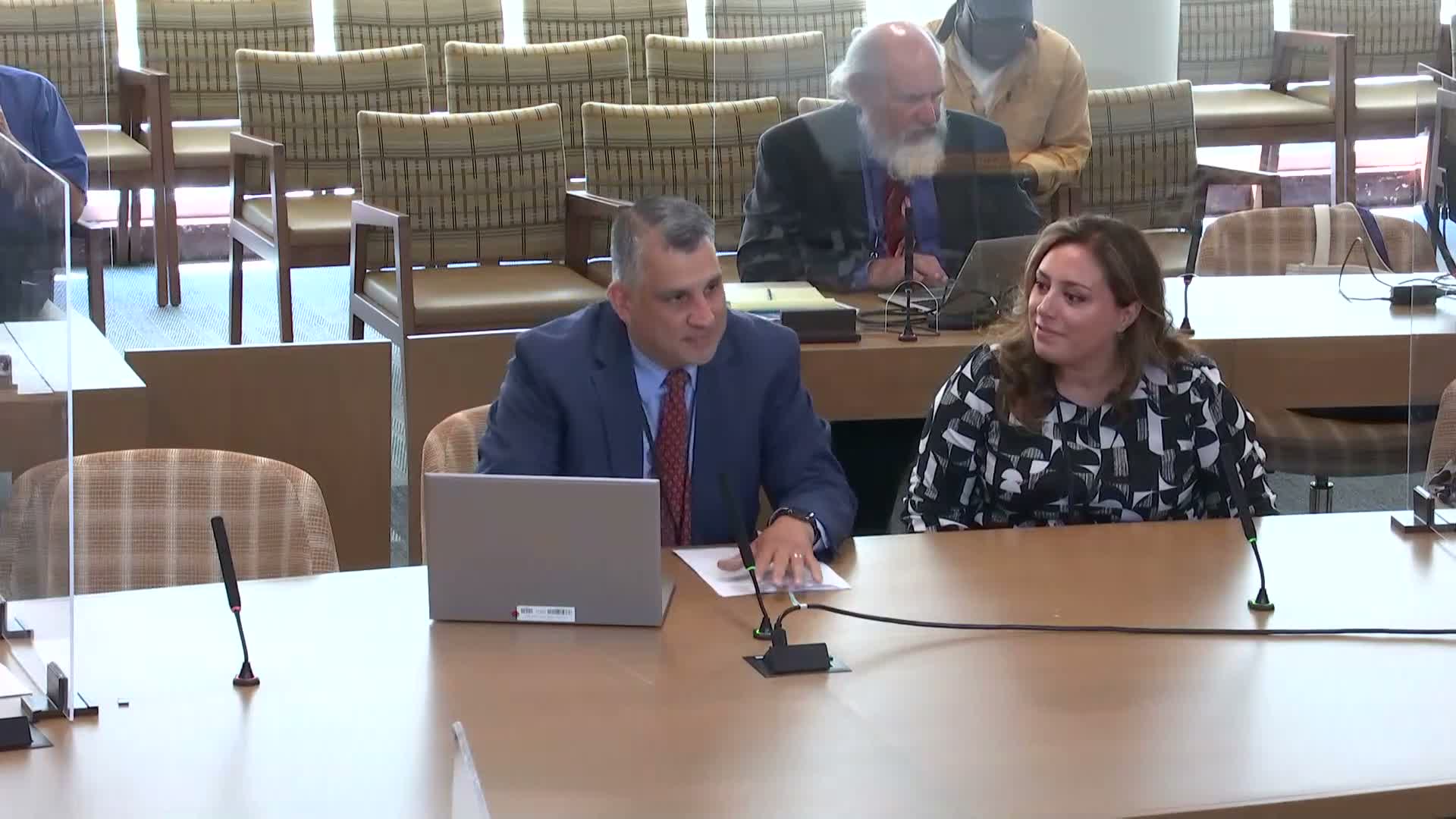
The Detroit Fire Department told the City Council Public Health & Safety committee on June 16 that it plans to pilot a nurse-navigation program to triage low-priority 911 calls and direct callers to appropriate non-emergency care.
Deputy Commissioner Derek Hellman said the department receives roughly 150,000 911 calls annually and estimates about 25% of those are nonemergent. Under the proposal, dispatchers would transfer lower-priority calls to a nurse who would assess whether the caller can be treated by telehealth, scheduled transport, urgent care, or needs dispatch of an ambulance. Hellman said the department has included telehealth and translation capabilities in vendor proposals and expects the bid-review process to conclude in Q3, a contract in Q4, a pilot beginning in January and a broader rollout thereafter.
"The low-priority calls then… will be transferred to a nurse," Hellman said. "This nurse then will also do a quality control of that call and see is it a true emergency? Can it be resolved right then and there with a nurse?"
Council members asked whether the service would support non-English speakers and how the program would coordinate with existing health-department programs that provide transportation for expecting mothers. Hellman said the vendors being considered offer phone translation for up to about 200 languages and that the department will coordinate with the health department and existing programs for referrals.
Officials framed the change as an effort to reduce unnecessary ambulance responses, lower costs for residents who go to emergency rooms unnecessarily, and reduce crew fatigue so ambulances are available for higher-priority calls. The committee did not take a formal vote on the pilot in this session but invited the department to return with vendor details when available.
What’s next: Department officials said two vendors remain under review and that the pilot would begin after contracting steps (anticipated pilot start January). Council members requested follow-up presentation(s) with vendor details and implementation metrics.