Get Full Government Meeting Transcripts, Videos, & Alerts Forever!
Get email alerts on the 911 Reform topic
No spam. Unsubscribe anytime.
Detroit Fire Department outlines nurse‑navigation pilot to reduce nonemergency 911 calls
Summary
Detroit Fire Department presented a nurse‑navigation program to route low‑priority 911 calls to nurses for triage, telehealth or scheduled transport; department estimates about 150,000 annual calls with 25% nonemergent and outlined vendor and rollout timelines.
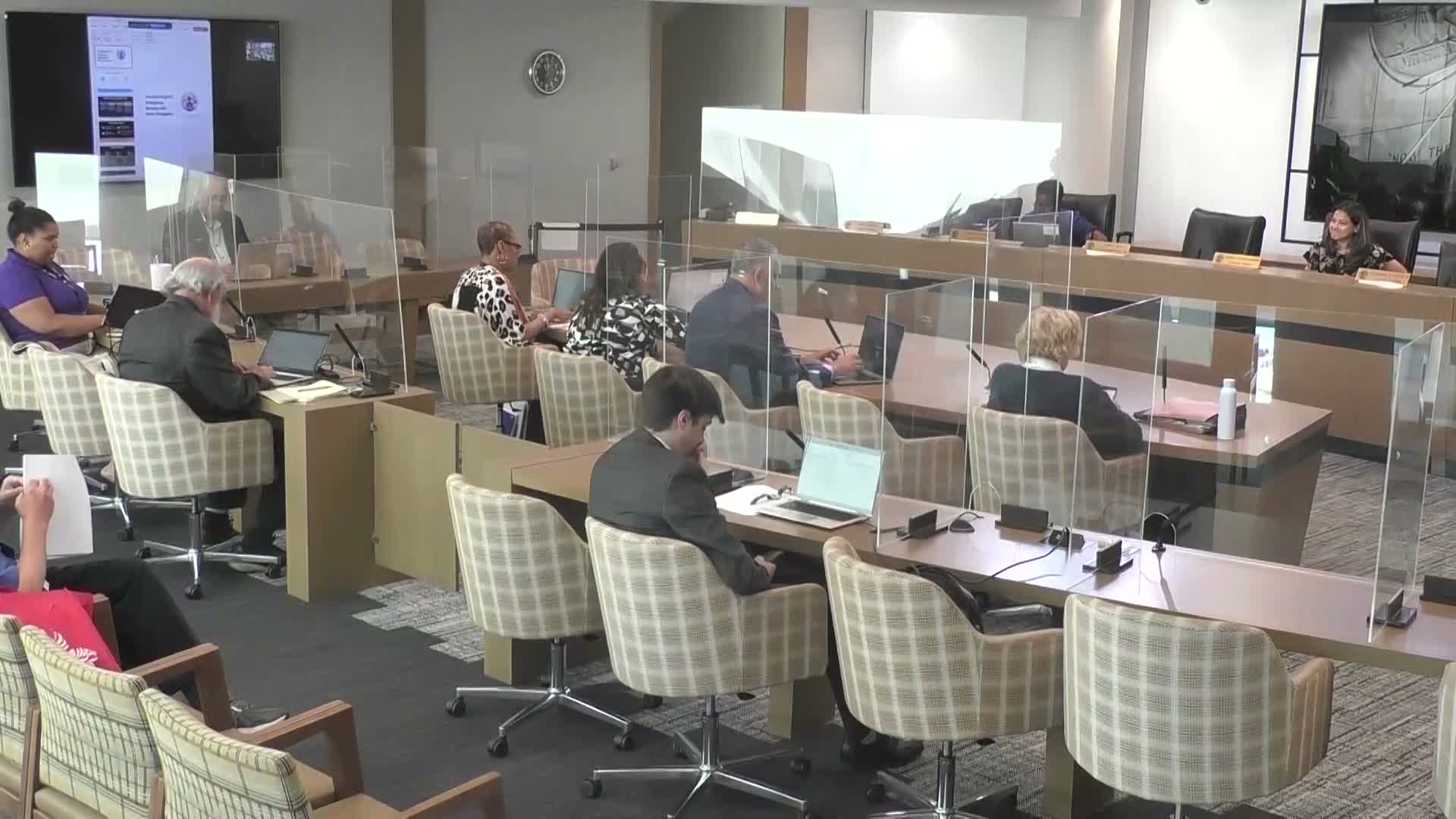
The Detroit Fire Department presented a nurse‑navigation pilot to the City Council Public Health and Safety committee on June 16 aimed at reducing nonemergency 911 responses by routing low‑priority calls to nurses who can triage and coordinate alternatives such as telehealth, urgent care or scheduled transport.
Derek Hellman, second deputy commissioner, said the department receives about 150,000 911 requests a year and estimates roughly 25% of those are nonemergent. Under the proposed model, dispatchers would transfer lower‑priority calls to a nurse who would assess whether the caller needs an ambulance, a scheduled transport, telehealth or referral to urgent care. "When somebody calls 911 in January, they'll actually be asked, would you like to talk to a nurse?" Hellman said while outlining vendor selection and a phased rollout.
The department described a procurement and pilot timeline: Q3 bid review and site visits, contract award in Q4, a soft rollout in early next year and a full rollout planned for Q2 following a pilot period. Hellman said companies under consideration include vendors with telehealth and translation capacity; he noted some vendors offer phone translation services for up to 200 languages.
Council members expressed support and asked about language translation and coordination with the health department; members were told translation functionality and links to health‑department programs would be part of implementation. The committee did not vote on an ordinance; staff said members will be updated once vendors are selected and the committee will be invited back for additional briefings.
What happens next: the department said it is finishing bid review and expects to begin a pilot the following January; council follow‑up will include vendor details and implementation questions.