Get Full Government Meeting Transcripts, Videos, & Alerts Forever!
Get email alerts on the Public Transit Security topic
No spam. Unsubscribe anytime.
Riders, advocates tell Detroit committee metal detectors, seating rules at transit centers are keeping people out
Summary
Multiple riders and transit advocates told the Public Health & Safety committee that private security screenings and new rules at Rosa Parks and Jason Hargrove transit centers are denying people access to indoor seating and restrooms, raising civil‑liberties and safety concerns.
Transit riders and advocates urged Detroit council members on Monday to investigate recent security changes at two downtown transit centers, saying private guards are using metal detectors and preventing passengers from waiting indoors.
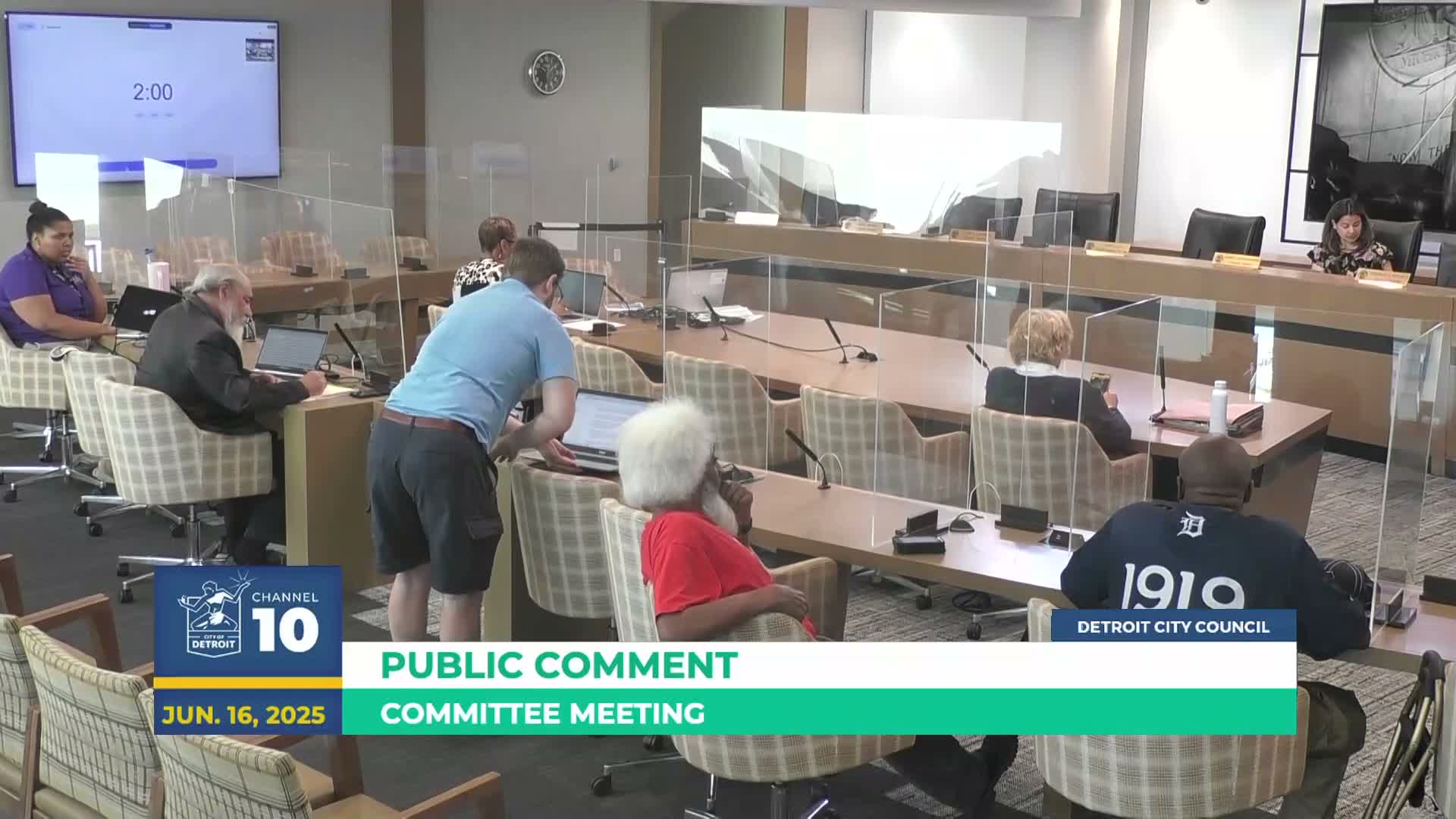
"Denying transit riders access to a warm or air conditioned space to wait for their buses … is outrageous," said Joel Batterman, campaigns manager for Transportation Riders United, who asked the committee to probe screening policies at the Rosa Parks and Jason Hargrove centers. Similar concerns were echoed by multiple callers and in‑person speakers during the meeting’s public comment period.
Speakers described private security at the facilities searching everyone who enters, enforcing rules that riders cannot sit inside, and using language or conduct that riders called threatening. "You'll get more than my name if you keep asking questions," one rider said he was told by a guard, according to testimony from Transportation Riders United organizer Lucas Lisakian. Transit activists said the measures signal that riders are treated as a criminal element and risk deterring people who rely on buses that may arrive only once an hour.
Several callers noted the potential harm to seniors, people with disabilities and others who need respite from extreme heat or cold. "Many riders are seniors or people with disabilities who are especially vulnerable to extreme heat or cold," Batterman said, urging alternatives to current security approaches.
Committee members acknowledged the concerns and said they would raise the issue with DDOT staff and with procurement officials because several transit contracts were on the agenda. The chair said quarterly updates with DDOT and a possible director appearance at a future committee meeting could address outstanding questions about whether these changes were made for maintenance, security, or other reasons and whether proper notice was posted at facilities.
The committee did not take formal action on transit‑center operations during the meeting. Members repeatedly offered to ask the DDOT director to appear at a future session and noted a number of DDOT contracts on the day’s agenda that staff could use as an opportunity to request more information.