Get Full Government Meeting Transcripts, Videos, & Alerts Forever!
Get email alerts on the Transit Security topic
No spam. Unsubscribe anytime.
Transit riders and advocates tell Detroit committee metal detectors are closing waiting rooms
Summary
Riders and transit advocates urged the Public Health & Safety Committee to investigate recent private‑security screening at Rosa Parks and Jason Hargrove transit centers, saying metal detectors and bans on indoor seating make riders — especially seniors and people with disabilities — wait outside and risk exposure.
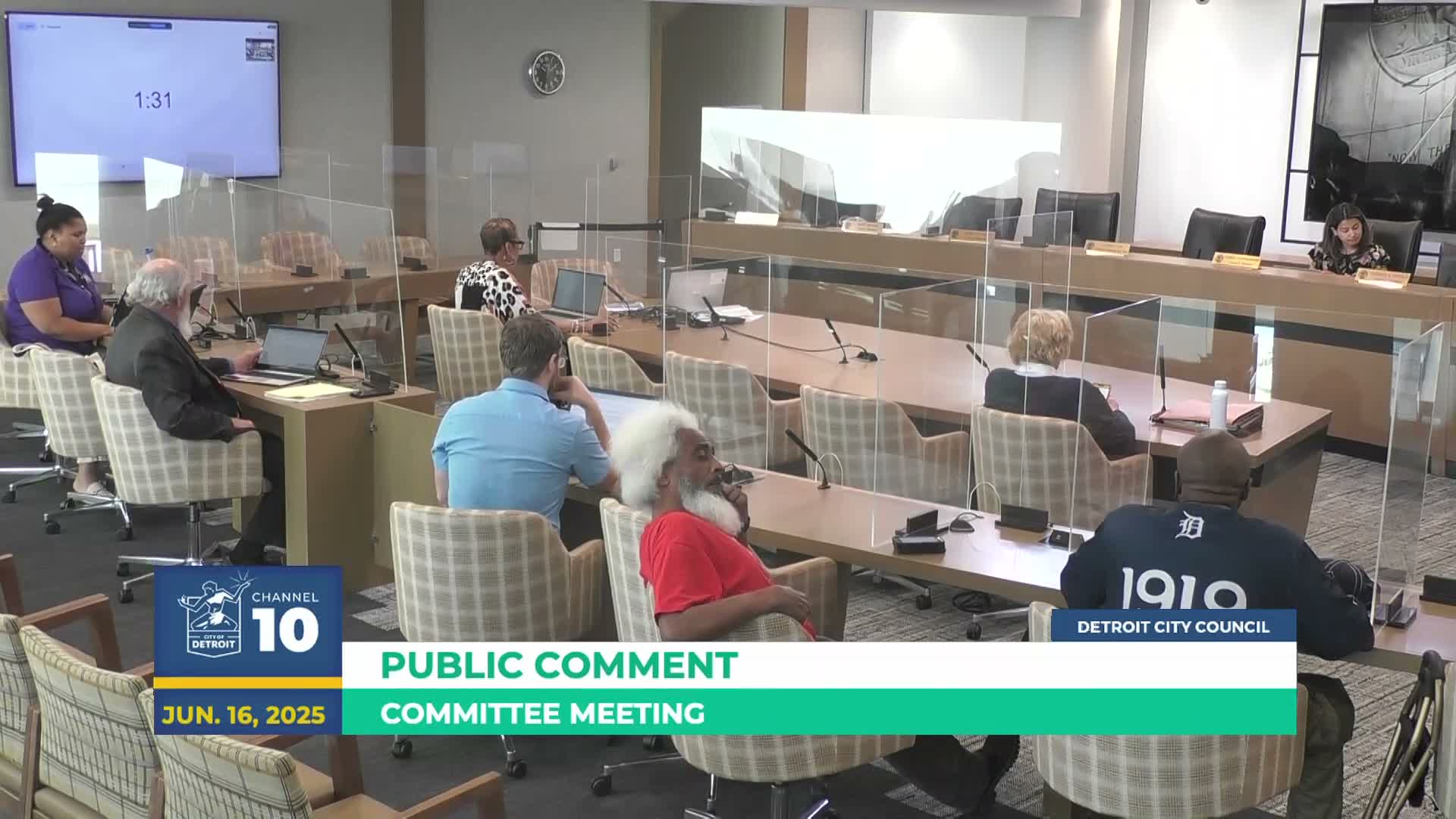
Michael Cunningham and transit advocates told the Detroit Public Health & Safety Standing Committee on June 16 that new security measures at DDOT transit centers are denying riders access to indoor seating. "They're not allowing people to sit down," Michael Cunningham said, describing multiple encounters at the Rosa Parks and Hargrove centers.
Joel Batterman, campaigns manager for Transportation Riders United, told the committee that metal detectors have been installed at both facilities and that private security are searching every person entering the indoor portions. "We do not believe that these measures make riders safer," Batterman said, and argued the enforcement has pushed riders outdoors so they "cannot wait for their bus" in the indoor areas designed for that purpose.
Advocates framed the change as both a safety and equity issue. Batterman said the policy "may actually deter people from using transit" and that many riders "are seniors or people with disabilities who are especially vulnerable to extreme heat or cold." Other callers echoed those concerns and reported instances of unprofessional conduct by contracted security staff. Lucas Lisakian told the committee he was told by a guard, in words he characterized as a threat, "you'll get more than my name if you keep asking questions." Bernard Majenski and other riders urged that the installations were implemented without prior public hearing.
Committee members acknowledged the concerns and noted DDOT items on the agenda later in the meeting; the chair said staff would try to surface the riders' questions in the committee's upcoming DDOT contract discussions and quarterly updates. No formal vote or directive on policy changes at the transit centers was taken during this session; the committee said it would invite DDOT staff to the next meeting to answer riders' questions.
The record shows repeated calls for a public inquiry and for the city to explain the security vendors' training and alternative‑screening procedures for riders with medical devices or sensory needs. Advocates asked that the city consider less exclusionary safety measures and ensure signage and accommodation procedures are clear when screening is required.