Get Full Government Meeting Transcripts, Videos, & Alerts Forever!
Get email alerts on the Nurse Navigation topic
No spam. Unsubscribe anytime.
Detroit Fire Department outlines 911 nurse-navigation pilot to divert nonemergency medical calls
Summary
DFD presented a plan to route low-priority 911 medical calls to nurses who can triage and connect callers to urgent care, telehealth or scheduled transport; DFD expects vendor selection in Q3, contract in Q4, pilot start January and wider rollout next spring.
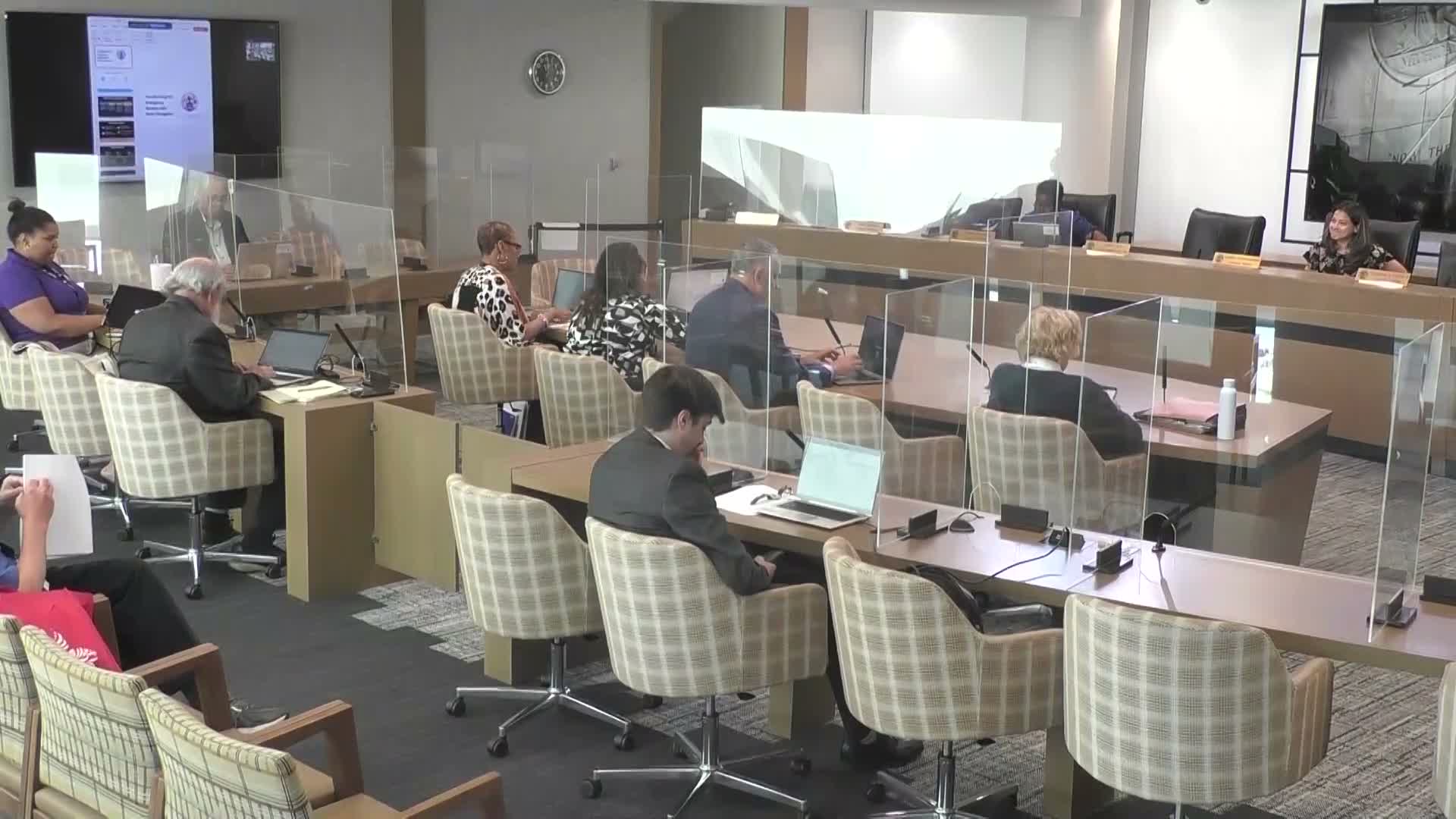
The Detroit Fire Department told the Public Health and Safety Standing Committee on Monday it plans to launch a nurse-navigation program to triage non-emergency medical 911 calls and reduce unnecessary ambulance dispatches.
Deputy Commissioner Derek Hellman said DFD receives roughly 150,000 911 requests a year and estimates about 25% are low-priority, such as minor injuries or nonemergent complaints. Under the proposed model, dispatchers would transfer coded low-priority calls to a nurse who would assess whether the caller can be helped on the phone, scheduled for transport, routed to urgent care or referred to telehealth services. Only calls identified as true emergencies would continue to receive an ambulance response.
Hellman described an implementation timeline: bid review and vendor site visits in Q3, contracting in Q4, a pilot beginning in January and a full rollout targeted for spring. He said two vendors have submitted proposals and that the selected vendor includes translation services capable of handling up to 200 languages.
Council members asked about language access, quality control, and how the program would interact with existing health-department services that transport expecting or new mothers. Hellman said vendors include telehealth options and that the program would coordinate with the health department and existing ride services. Member Waters called the model promising and drew parallels to nurse-first triage systems used by major health providers.
The committee did not vote to change protocol during the session but asked staff to return with vendor details and follow-up questions once the city completes vendor selection and contracting.