Get Full Government Meeting Transcripts, Videos, & Alerts Forever!
Get email alerts on the 911 Nurse Navigation topic
No spam. Unsubscribe anytime.
Detroit Fire Department proposes nurse-navigation to triage low-priority 9-1-1 calls
Summary
The Detroit Fire Department presented a nurse-navigation program to divert low-priority 9-1-1 calls to nurses for triage, scheduled for vendor selection in Q3, a pilot in January and a soft rollout in early next year. Officials said the program aims to reduce non-emergent ambulance responses and improve health-equity outcomes.
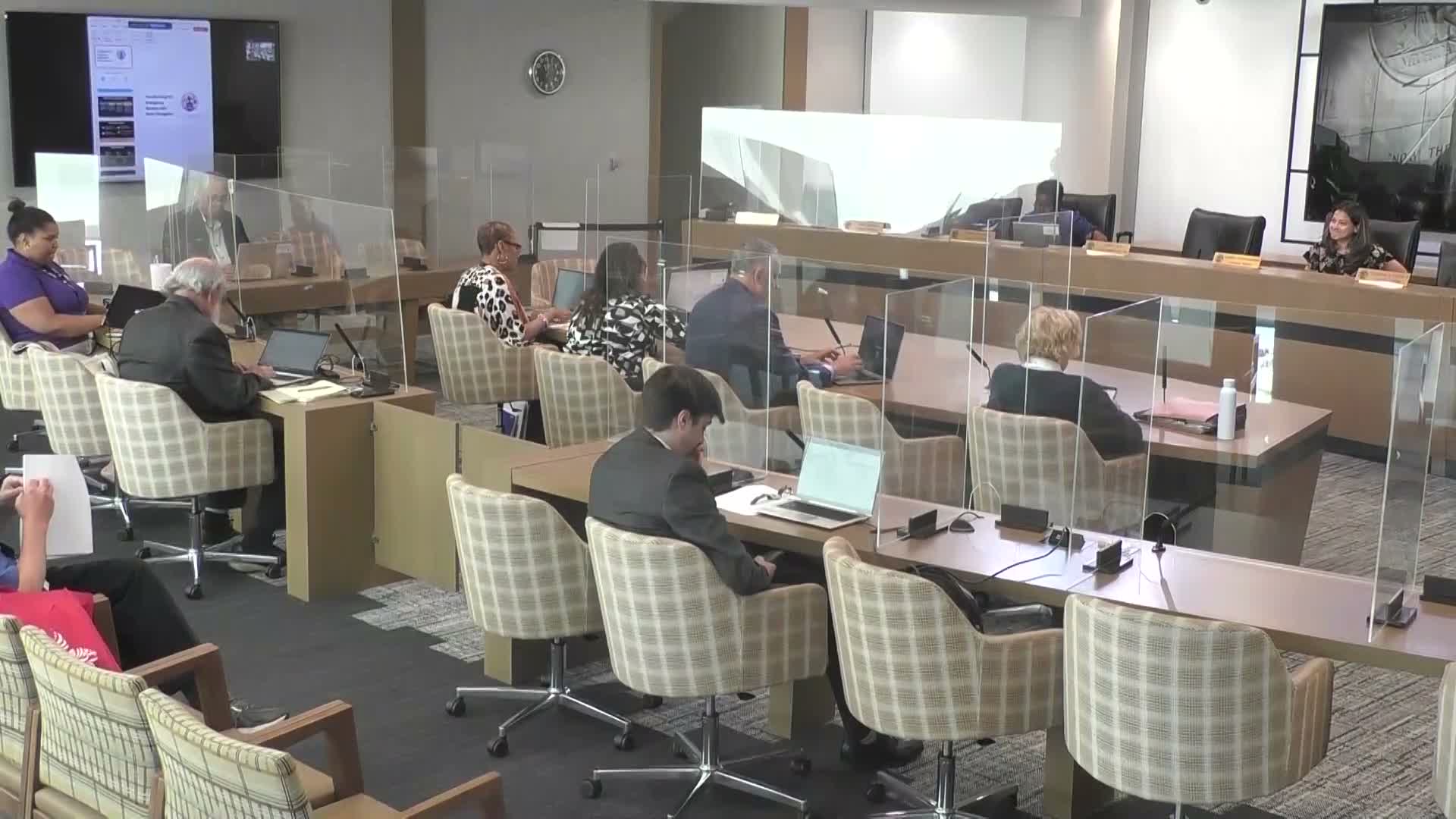
The Detroit Fire Department told the Public Health and Safety Committee on Monday that it is preparing a nurse-navigation model to route nonemergency 9-1-1 calls to clinicians who can triage and direct callers to appropriate care.
Derek Hellman, second deputy commissioner, said the department receives roughly 150,000 9-1-1 calls annually and estimates about 25% are low-priority, nonemergent requests such as minor injuries or questions that do not require ambulance dispatch. Under the proposed model, dispatchers would transfer eligible low-priority calls to a nurse who would assess whether the caller could be helped by telehealth, scheduled transport to urgent care, a primary-care appointment or must be escalated back to emergency response.
"This is going to transform the way 9-1-1 services are done within the city," Hellman said, adding the model has been implemented in Washington, D.C., parts of Washington state and in counties in Georgia.
The department said it is in a vendor bid-review process with two bidders under consideration, expects to select a vendor in Q3, contract in Q4, pilot in January and pursue a soft rollout and monitoring in the following months. Officials said translation services (up to 200 languages through vendor phone systems) and telehealth connections are included in vendor proposals.
Why it matters: Redirecting low-acuity calls to clinical care could reduce unnecessary ambulance dispatches, ease firefighter/EMS fatigue and deliver cost savings to residents who otherwise use emergency rooms for nonemergent needs.
What the committee did: Members asked questions about language access, collaboration with the health department and how the program will be communicated to residents; no formal vote was taken. The presenters agreed to return with vendor details once a selection is complete.
What comes next: The department will continue bid review and vendor site visits; committee members asked to be briefed again when vendors are selected.