Get Full Government Meeting Transcripts, Videos, & Alerts Forever!
Get email alerts on the Nurse Navigation 911 topic
No spam. Unsubscribe anytime.
Detroit Fire Department outlines nurse-navigation plan to triage 911 calls and reduce non-emergency ambulance dispatches
Summary
Detroit Fire Department presented a nurse-navigation plan to route low-priority 911 calls to nurses for triage, telehealth and scheduled transport. Staff said about 150,000 calls arrive yearly and roughly 25% are non-emergent; the department expects a pilot in January after Q3–Q4 procurement steps.
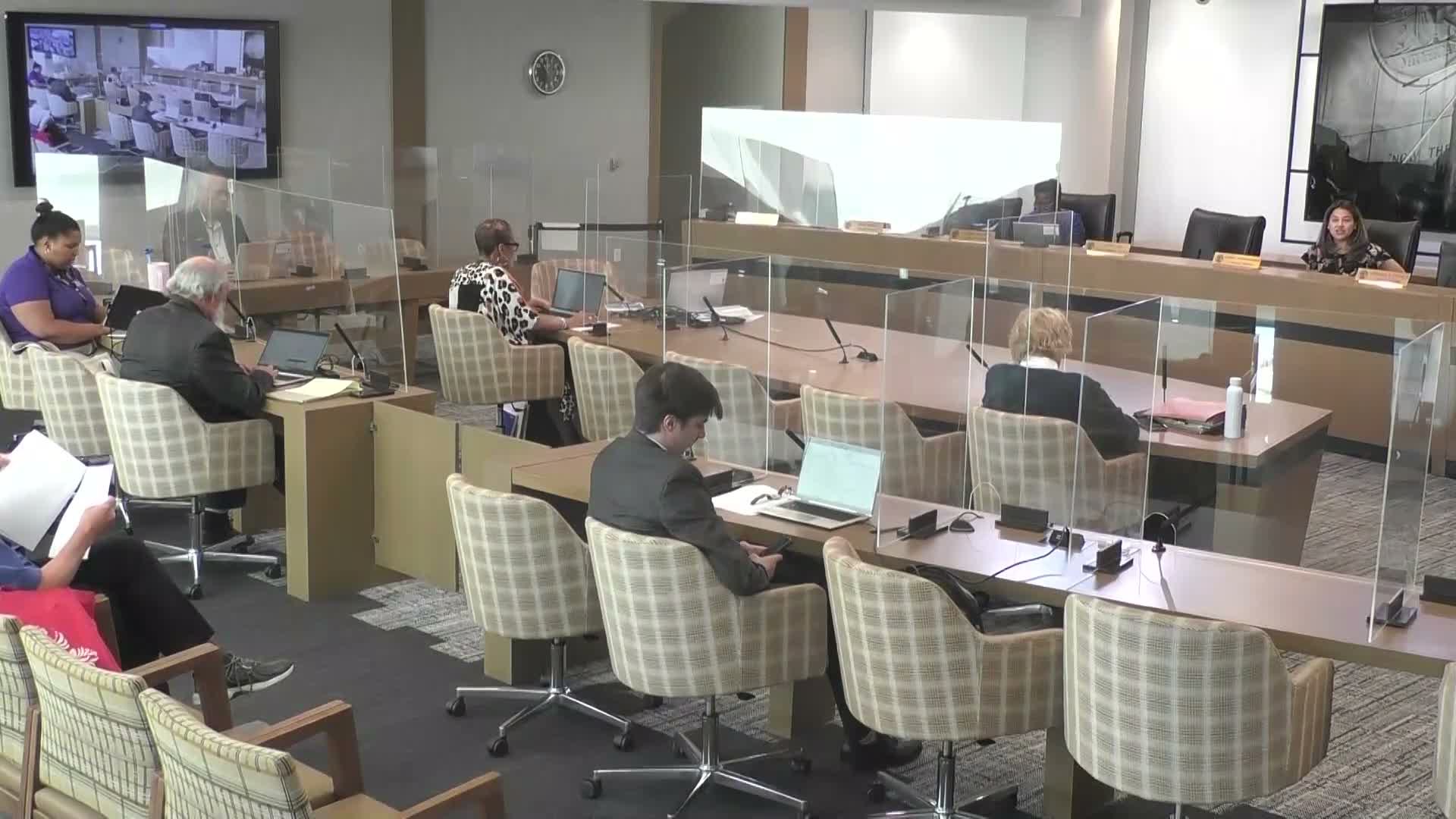
The Detroit Fire Department told the Public Health and Safety committee on June 16 that it plans to introduce a nurse-navigation system to triage low-priority 911 calls and connect callers to appropriate non-emergency care.
Second Deputy Commissioner Derek Hellman said the department receives about 150,000 911 requests annually and estimated approximately 25% of those are low-priority, straining emergency resources. "When I say low priority that means somebody that has like a twisted ankle or something that's not a true emergency," Hellman said. He described nurse navigation as a way to route those calls to registered nurses who can advise callers, set up telehealth, schedule urgent-care or primary-care appointments, or arrange nonemergency transport.
Hellman outlined a procurement and implementation timeline: bid review in Q3 to select a vendor, contract negotiation in Q4, a pilot beginning in January, and a staged rollout with monitoring into the following spring. He said two vendors submitted proposals and that site visits were underway. He also told the committee that one vendor has phone-based translation capability for up to 200 languages.
Council members voiced support and asked about details: Member Waters compared the proposal to clinical intake models used by health systems, and the chair asked about language-translation capacity; Hellman confirmed vendors can provide translation. Members requested vendor details and said they would want to review the vendor network, the nurses’ scope, and the telehealth partnerships once the procurement is further along.
What happens next: The department will complete vendor selection and return with more details before the pilot; council members asked to be briefed on vendor qualifications and the clinical network that will support nurse navigation. No formal vote was required at the committee hearing.