Get Full Government Meeting Transcripts, Videos, & Alerts Forever!
Get email alerts on the Transit Security topic
No spam. Unsubscribe anytime.
Detroit riders, advocates press city over metal detectors, access at Rosa Parks and Hargrove transit centers
Summary
Riders and transit advocates told the Public Health and Safety Committee that private security and newly installed metal detectors at Rosa Parks and Jason Hargrove transit centers are preventing people from sitting inside and could deter seniors and people with disabilities from using transit. They asked the council to investigate and hold a public hearing.
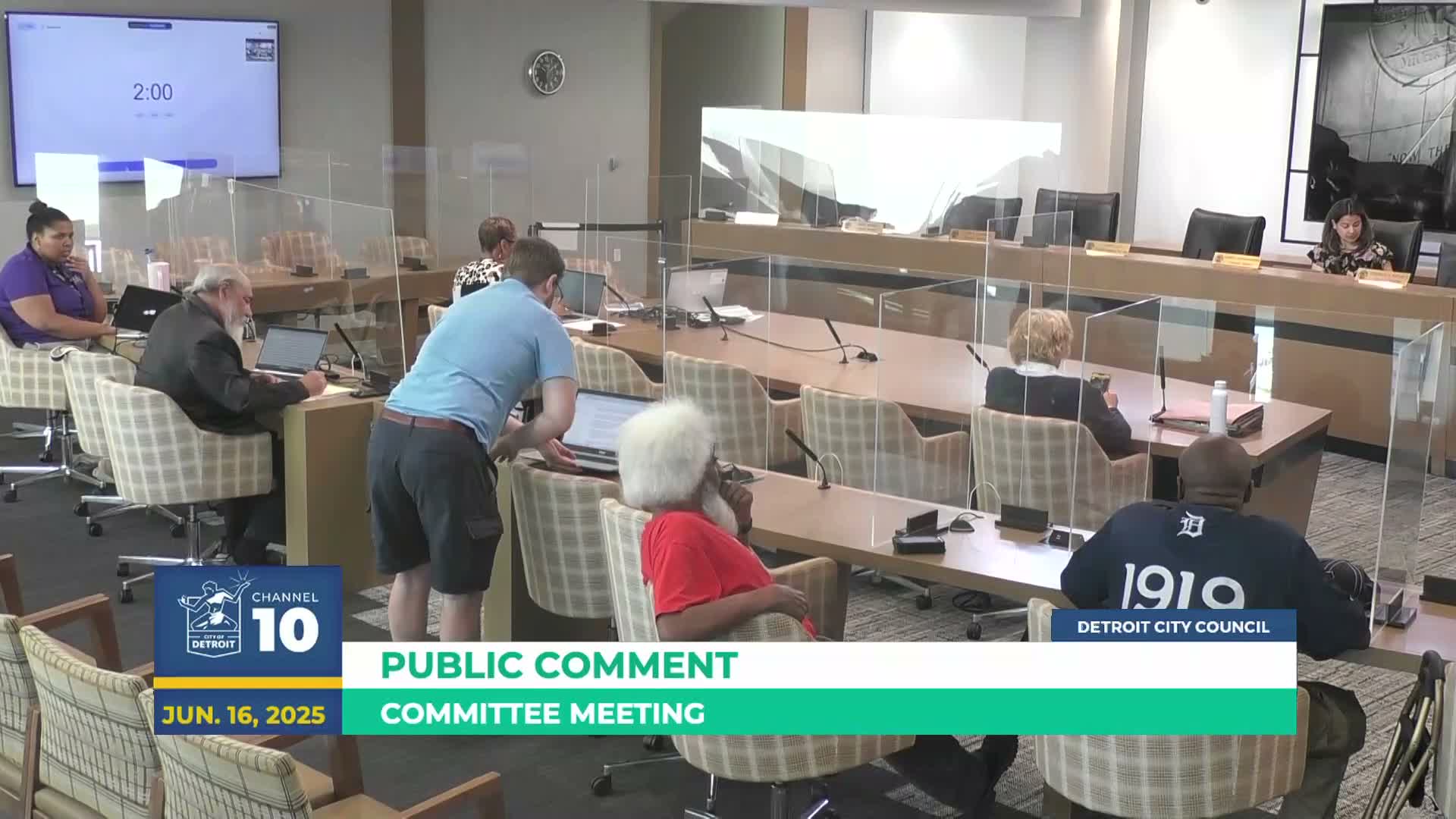
Riders and transit advocates urged Detroit council members on Monday to investigate new security measures at two major bus hubs, saying the changes are harming riders and were implemented without public notice.
Michael Cunningham, a community advocate, told the Public Health and Safety Standing Committee that private security at the Rosa Parks and Jason Hargrove transit centers has been telling people they may not wait inside the facilities after metal detectors were installed. "If they're not causing problems, they ought to be able to sit in there to get some respite time," Cunningham said during public comment.
Joel Batterman, campaigns manager for nonprofit Transportation Riders United, said every person entering the indoor portions of the centers is being searched by private guards and that guards have told riders they cannot wait by the doors where seating is provided. Batterman argued the measures do not make riders safer, "criminalize transit riders" and may deter people — especially seniors and people with disabilities — from using the system.
Other callers recounted riders being patted down or asked to change how they hold phones, and one caller reported a security guard making what he took as a threat to a patron who pressed questions about the screening. Bernard Majenski, a bus-rider activist, raised accessibility concerns, asking how the security program would handle people with pacemakers, cochlear implants or survivors of sexual assault.
Committee members acknowledged the public concern and said the body has DDOT contracts on the agenda later in the meeting and would try to raise the riders' questions. The chair also offered to request the DDOT director or staff to appear at a future committee session and suggested quarterly updates with the department.
Why it matters: Transit centers are intended as sheltered, accessible waiting areas for riders whose buses can be infrequent. Advocates say denying indoor access during heat or cold disproportionately affects seniors and those with disabilities and may worsen ridership and public-health outcomes.
What the committee did: The committee did not vote on a policy change Monday. Members said they would try to get DDOT staff to the committee for a briefing and asked staff to include the concerns in upcoming contract discussions.
What comes next: Committee members said they will seek answers from DDOT and the Office of Contracting and Procurement about the security contracts and whether rules or training cover accessibility and alternative screening procedures. The committee did not set a specific date for a hearing on the issue.