Get Full Government Meeting Transcripts, Videos, & Alerts Forever!
Get email alerts on the 911 Nurse Navigation topic
No spam. Unsubscribe anytime.
Detroit Fire Department outlines nurse-navigation pilot to divert low-priority 911 calls
Summary
The Detroit Fire Department presented a nurse-navigation plan to route low-priority 911 medical calls to nurses for triage and coordination with urgent care, telehealth and scheduled transport. Officials proposed vendor selection in Q3, contracting in Q4 and a pilot beginning January.
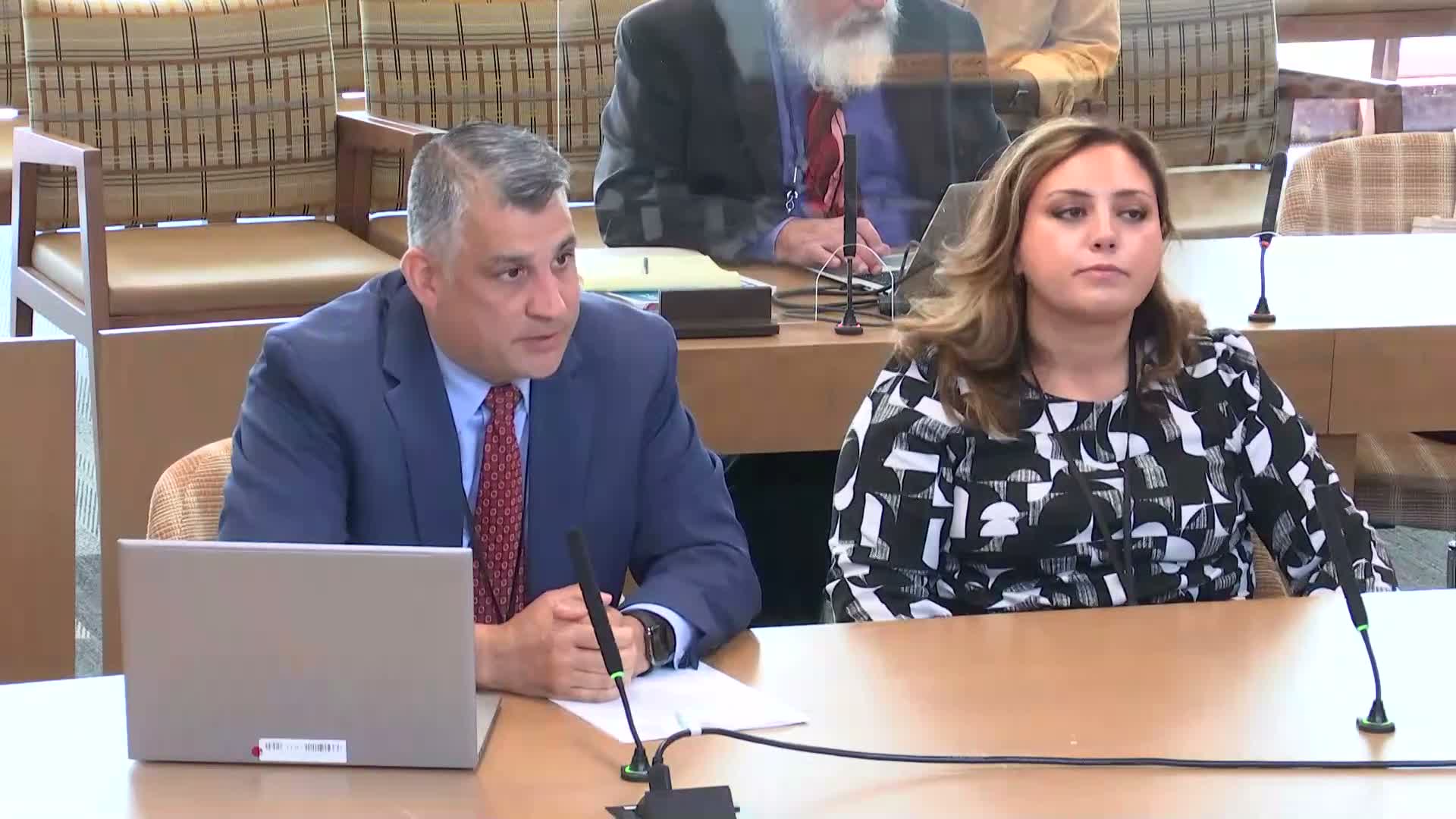
Detroit’s Fire Department told the Public Health & Safety standing committee on Monday that it plans to implement a "nurse navigation" program to reduce nonemergency 911 dispatches and better direct residents to appropriate care.
Deputy Commissioner Derek Hellman said the department fields about 150,000 911 calls a year and estimates roughly 25% are low-priority and nonemergent. Under the proposed model, dispatchers would transfer selected low-priority medical calls to a nurse who can triage, provide on-the-spot guidance, arrange scheduled transport, refer callers to urgent care or primary care, or escalate truly emergent calls back to 911 for immediate ambulance response.
Hellman outlined an implementation timetable: a bid-review process in Q3 to select a vendor, contracting in Q4, a pilot starting in January and a broader rollout by spring (Q2) of next year. He said two vendors had submitted proposals and that the department is performing site visits to ensure vendor qualifications. Hellman said some vendors include telehealth and translation capabilities; he told the committee that one vendor’s phone-based translation covers up to 200 languages.
Council members asked about language access and coordination with the health department’s existing programs that provide rides for expecting mothers. Hellman said the program will work with other city resources and emphasized it is designed to get residents to the right level of care while freeing emergency crews for higher-priority responses.
The department framed the initiative as both a public-safety and cost-control measure: reducing unnecessary ambulance dispatches would shorten response fatigue among crews and reserve advanced life-support units for true emergencies. City timelines and vendor selection remained subject to procurement processes; Hellman said the pilot would begin with outreach and public education to make residents aware they could be offered a nurse consultation as an alternative to transport.
No council vote was required on the presentation; members thanked the department and asked for vendor details and further information as the procurement progresses.