Get Full Government Meeting Transcripts, Videos, & Alerts Forever!
Get email alerts on the Emergency Response topic
No spam. Unsubscribe anytime.
Detroit Fire Department outlines nurse-navigation plan to divert low-priority 911 calls; pilot targeted for January
Summary
The Fire Department told the committee it plans a nurse navigation program to triage low-priority 911 calls (about 25% of 150,000 annual calls). Officials outlined procurement and a phased rollout: vendor selection in Q3, contract award in Q4, pilot start January with language-translation capacity.
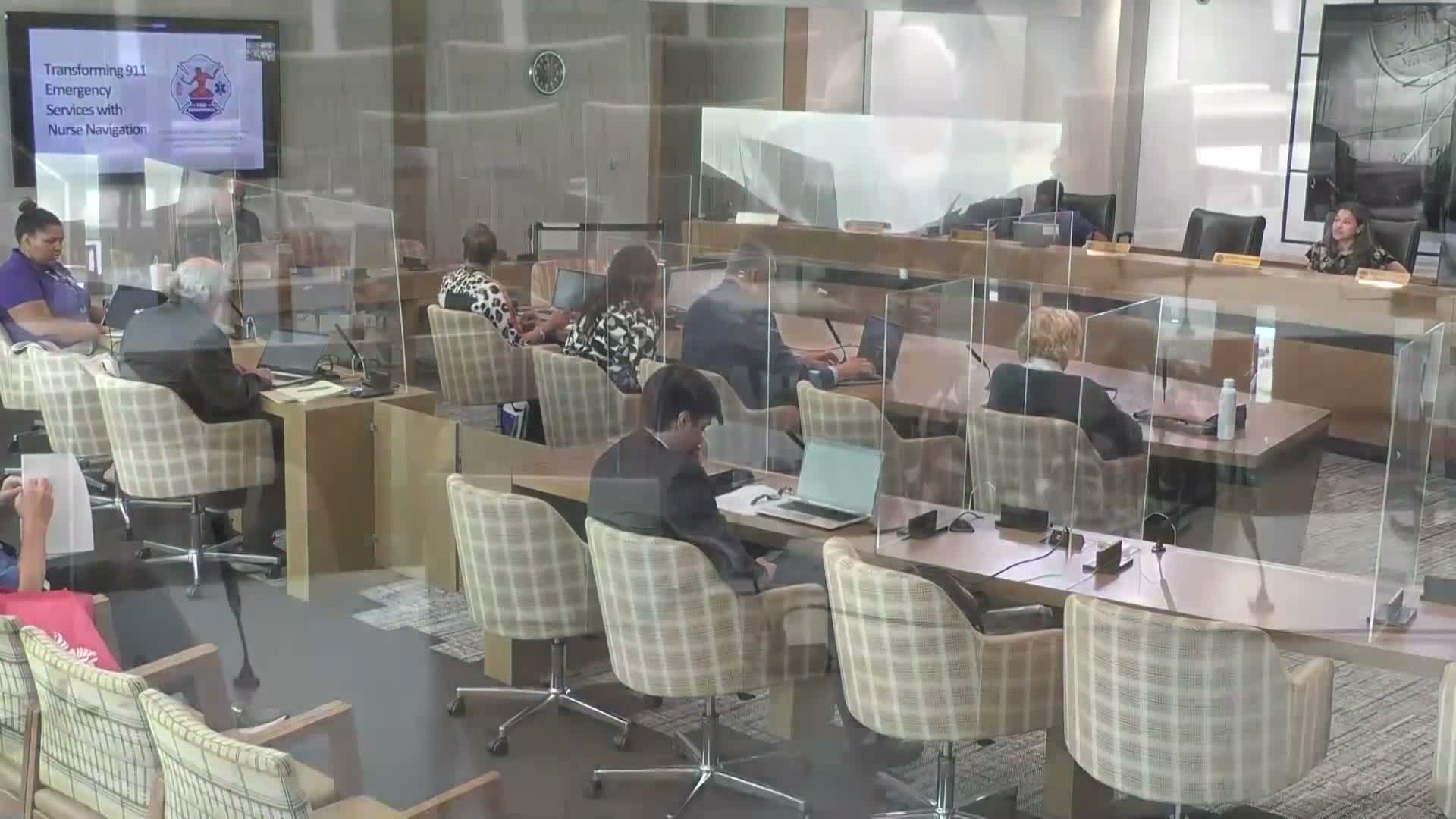
Derek Hellman, second deputy commissioner for the Detroit Fire Department, told the Public Health and Safety Committee on June 16 that the department plans to use a nurse navigation model to divert non-emergency 911 calls to more appropriate care.
"About 25% of our requests are low priority," Hellman said, citing an estimated 150,000 911 calls per year and describing those that could be managed by nurse triage, telehealth or scheduled urgent-care transport rather than immediate ambulance dispatch.
Under the plan, dispatchers will prioritize calls and transfer low-priority calls to a nurse who will assess whether the caller needs an ambulance, can be scheduled for transport, use urgent care, receive medication, or get telehealth services. The department said vendors under consideration include translation services that can handle up to 200 languages and telehealth coordination.
Hellman outlined the timeline: a bid-review process in Q3 to select a vendor, an anticipated contract negotiation in Q4, and a pilot launch in January, with a soft rollout and evaluation in the months that follow. The department said the program is already in other jurisdictions and is intended to reduce unnecessary ambulance dispatches, lower resident costs tied to ER visits and reduce responder fatigue.
Council members expressed support and asked about language access and partnerships with the health department. The department said it would coordinate with public-health partners and expects to monitor the pilot before full rollout.
No formal vote was taken; members thanked department staff and requested follow-up once vendors are identified and the pilot schedule is firm.