Get Full Government Meeting Transcripts, Videos, & Alerts Forever!
Get email alerts on the Transit Security topic
No spam. Unsubscribe anytime.
Transit riders, advocates tell Detroit council metal detectors and bans on sitting are turning transit centers into barriers
Summary
Riders and transit advocates told the Public Health & Safety committee that private security and newly installed metal detectors at Rosa Parks and Jason Hargrove transit centers are denying people indoor waiting access, raising concerns about safety, civil liberties and impacts on seniors and people with disabilities. Council members said they would raise the issue with DDOT and some contracts on today’s agenda.
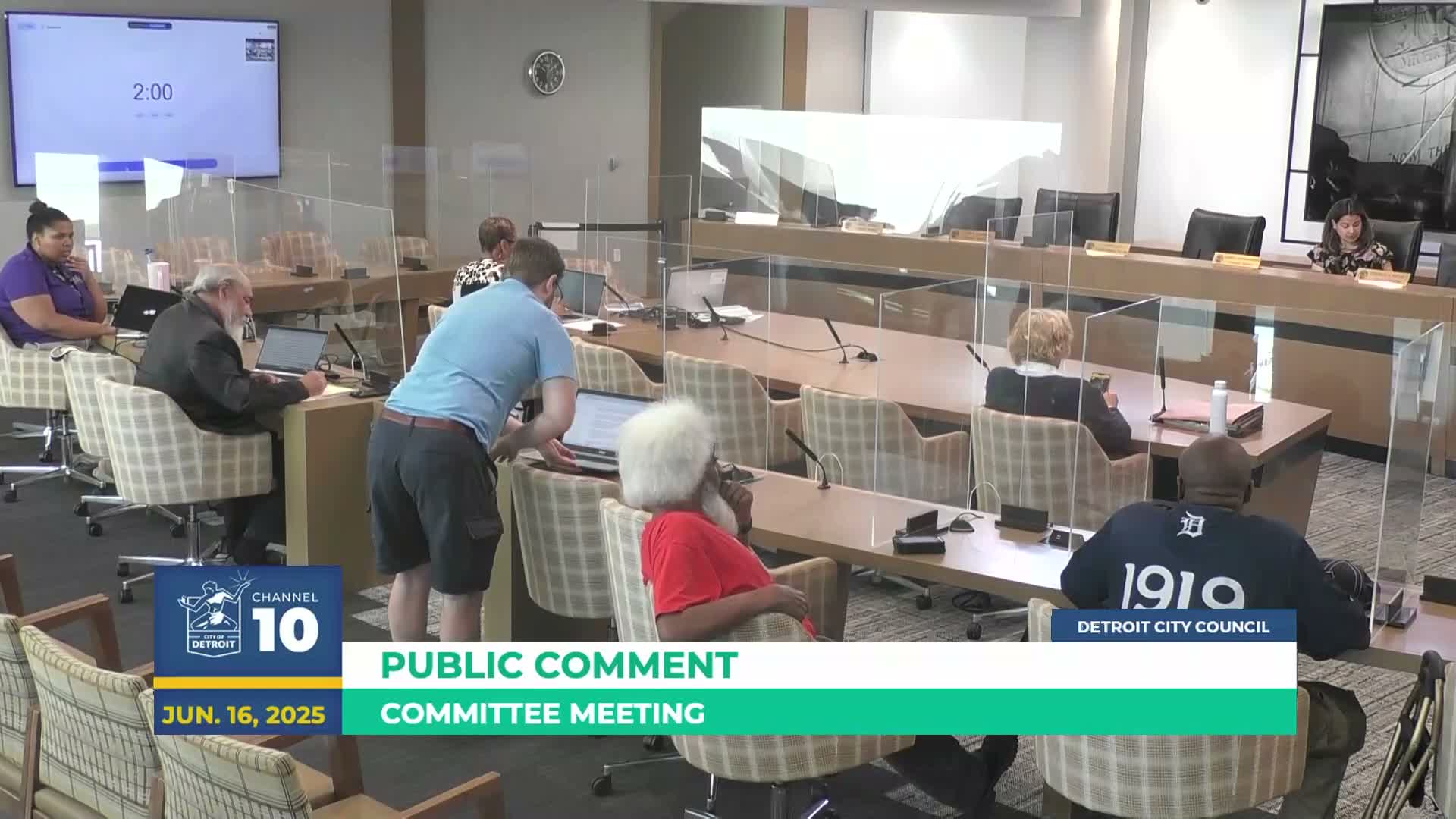
Dozens of transit riders and advocates urged the Detroit Public Health & Safety standing committee on Monday to investigate new security measures at the Rosa Parks and Jason Hargrove transit centers, saying private guards and metal detectors have resulted in riders being told they cannot sit inside while they wait for infrequent buses.
Joel Batterman, campaigns manager for Transportation Riders United, told the committee that every person entering the indoor portion of the centers is being searched by private security and that guards have been instructing riders they cannot wait inside. He said the measures do not improve rider safety, criminalize transit users and will deter ridership, especially harming seniors and people with disabilities who sometimes wait an hour between buses. "Denying transit riders access to a warm or air-conditioned space to wait for their buses…is outrageous," Batterman said.
Multiple other callers described incidents they said illustrated the problem: a bus rider who said a security guard required her to put earplugs in during a phone call; a rider who reported a guard threatened him when he asked questions; and organizers who said the installations were implemented without public hearings. Bernard Majenski, a bus rider and transit-justice organizer, raised concerns about whether contracted guards receive training for alternative screening procedures for people with pacemakers, implants, or survivors of sexual assault, and warned the city could face legal challenges.
Speakers asked why metal detectors were being used at transit centers when other public facilities—libraries and recreation centers—do not employ the same screening. Michael Cunningham, who identified himself as an advocate and formerly unhoused, urged council to send staff to test the policy in person and report back. "If they're not causing problems, they ought to be able to sit in there to get some respite time," Cunningham said.
Council members acknowledged the volume of public comment and told advocates they would raise the concerns with the Detroit Department of Transportation and, where relevant, with DDOT contractors on the committee agenda. The chair said the committee has quarterly updates with DDOT and offered to invite the transit director to a future meeting; the chair also noted several DDOT contracts were on the day's agenda that could provide a forum for follow-up.
The committee did not vote on policy changes during Monday's meeting; public comment and subsequent committee questioning focused on gathering information and directing staff to follow up. Several public commenters asked for a public hearing before such security measures are implemented. Council members repeatedly emphasized the need for more information from DDOT about screening protocols, guard training and accommodations for people with medical devices or accessibility needs.
The committee's next steps included notifying DDOT officials about the public comments and seeking more information at a future quarterly update or by asking DDOT staff to join an upcoming session. The public comments were delivered in-person and virtually and formed the majority of the meeting's early discussion.
The committee recessed for a 1:30 p.m. dangerous-buildings hearing and will continue contract and oversight work in later sessions.