Get Full Government Meeting Transcripts, Videos, & Alerts Forever!
Get email alerts on the Public Comment Policy topic
No spam. Unsubscribe anytime.
Severance council begins rewrite of public‑comment rules, stressing First Amendment and decorum
Summary
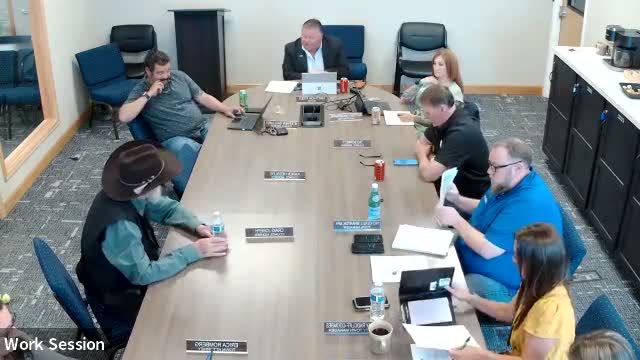
At a June 10 work session the Severance Town Council reviewed a draft public‑comment policy compiled from other towns and discussed time limits, group representation, audio/visual aids and signage; staff will revise the draft after legal review.
Severance elected officials spent much of a June 10 work session dissecting a draft public‑comment policy staff compiled from other municipal examples, emphasizing the need to protect free speech while keeping meetings orderly.
Town Manager Wharton presented a two‑page template the council had asked staff to prepare following a prior retreat, calling it “a starting point” for further edits. Mayor Friess told colleagues the policy should not be written to suppress speech but to “give citizens … the guidelines” for decorum and safety. “It’s their meeting,” Friess said, “and they deserve to have their time.”
Council members debated whether the rules should mandate fixed time limits or leave them at the mayor’s discretion. One councilor suggested a lottery or sign‑in system when large numbers want to speak; Wharton and the mayor said the town could adjust procedures case by case. The mayor and attorney flagged potential First Amendment concerns in overly prescriptive language and asked legal staff to check specifics before adoption.
Members also weighed rules for group representation and yielding time: the council favored encouraging a single spokesperson for groups while allowing the mayor discretion to grant extra time in certain hearings. The council asked staff to clarify differences between general public comment at the start of a meeting and formal public hearings, where legal constraints can limit how comment affects land‑use decisions.
The body discussed whether audio and visual materials — recordings, videos or PowerPoints — should be allowed during public comment. Legal counsel said such materials are likely protected expression and staff will provide a formal legal opinion. The mayor recalled an instance where a speaker played profanity‑containing audio while a child sat in the front row and urged staff to consider guidance for attendees who intend to play recordings.
Councilors also debated sign rules for the chamber, proposing common size limits (11 by 17 inches) and prohibitions on sticks, easels or signage that obstructs aisles or other attendees’ views. The draft will be revised and circulated; council members were asked to forward additional comments to management.
Next steps: staff will refine the draft in light of council input and return with legal clarifications and a revised version for future discussion. No formal policy action was taken at the work session, which is advisory by design.