Get Full Government Meeting Transcripts, Videos, & Alerts Forever!
Get email alerts on the Finance Quasi Meyer topic
No spam. Unsubscribe anytime.
District finance director outlines $2M Quasi‑Meyer judgement impact; board to consider tax anticipation notes
Summary
Finance staff explained the Quasi‑Meyer ruling’s retroactive reassessments have produced a district cash obligation of just over $2 million; options discussed include using inaccessible cash, selling tax anticipation notes or borrowing the county treasurer line of credit—board asked staff to return with a TANs decision at the next meeting.
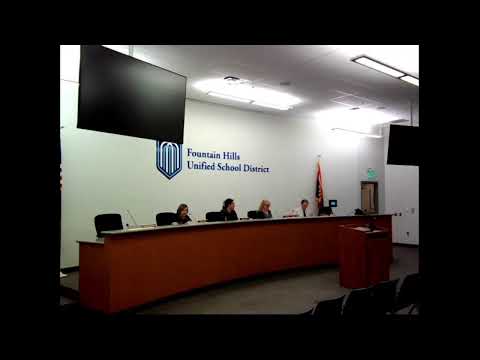
District finance staff presented the financial implications of the Quasi‑Meyer v. Maricopa County judgment to the Fountain Hills Unified School District board on Aug. 7, explaining how a court ruling about change‑of‑use reclassifications requires recalculation of assessed valuations dating back to 2015.
Finance staff estimated the district’s cash obligation at "just over $2,000,000" and described four buckets of available cash (M&O, capital, classroom site fund and inaccessible cash held by the county treasurer). Staff said approximately $265,000 of accessible excess cash could be used immediately, leaving roughly $1.7 million to satisfy the judgment. The district outlined two short‑term strategies: sell tax anticipation notes (TANs) to raise an estimated $1.2 million or borrow from the county treasurer’s line of credit (higher interest but immediate liquidity). The treasurer had already applied a levy in the current tax cycle to cover a portion of the obligation equivalent to about 33¢ per $100,000 of assessed valuation.
Finance staff recommended weighing a short TANs issuance versus a temporary draw on the treasurer’s line of credit; staff noted timing risks because property tax refund processing and county resolutions could lag months. "We will completely exhaust all that cash," staff said while laying out scenarios for August cash flow and the need for a decision at the next meeting if the board wants TANs in place.
The board did not adopt a TANs resolution on Aug. 7 but directed staff to return with a recommendation at the next meeting. Members asked for clarifications about refunds to homeowners and whether affected homeowners would be notified; staff said homeowners may need to consult their mortgage holders and county resources for specific refund details.