Get Full Government Meeting Transcripts, Videos, & Alerts Forever!
Get email alerts on the Youth Outreach topic
No spam. Unsubscribe anytime.
Evansville commission outlines youth-outreach plan, to form subcommittee and school partnerships
Summary
Commissioners discussed forming a youth-outreach subcommittee, mentor-led social-skills classes at Lincoln, partnerships with Promise Zone and EVSC, QR-code data tracking for two years and possible funding from local foundations.
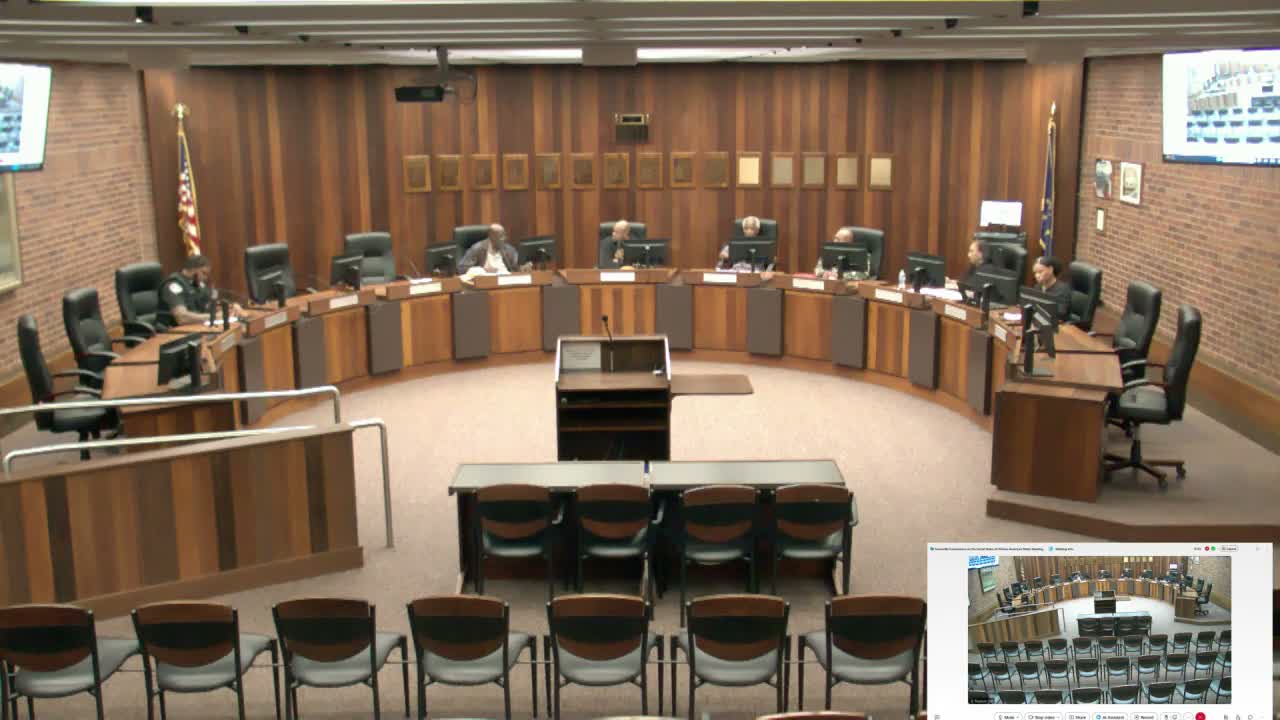
At an Oct. 24 meeting, the Evansville Commission on Social Status of African American Males moved from planning to concrete steps for youth outreach: creating a subcommittee, partnering with schools and Promise Zone, and tracking mentor activity with a QR-code system.
Commissioners said they expect to add three members to the Moving-in-Faith action committee (Reverend Gino Merriweather, Corey Miller and Reverend Keith Patterson) and to begin mentor-led social-skills classes at Lincoln in about two weeks. One commissioner reported that about 90 students were returned from AIS to their schools over the summer and described plans for daily 30-minute social-skills sessions plus mentors sitting in classrooms to support students.
The commission discussed data collection and evaluation: mentors will submit short QR-code forms after each meeting capturing attendance, behavior and basic learning indicators; Dan Deal (early-learning tracking) will receive data, and the commission said it will track participating students for two years. Commissioners also noted interest from local foundations and partners, including the Weldon/Wellborn foundation and the Promise Zone neighborhood, which may provide funding contingent on sufficient data.
Tactical outreach ideas included attending school events (football games, graduations), hosting gaming tournaments and panels with local content creators to teach social-media skills, and creating youth media opportunities such as a podcast. Commissioners recommended forming a small subcommittee to meet more often than the full commission to build traction and report back regular progress.
Next steps recorded at the meeting included defining members for the subcommittee, contacting athletic directors and school leaders to plan visible group participation, and identifying conference and training opportunities for commissioners and staff.