
Fenton aldermen hear a dozen supporters for Adventure Unknown; vote tally ends in procedural confusion
Get AI-powered insights, summaries, and transcripts
Subscribe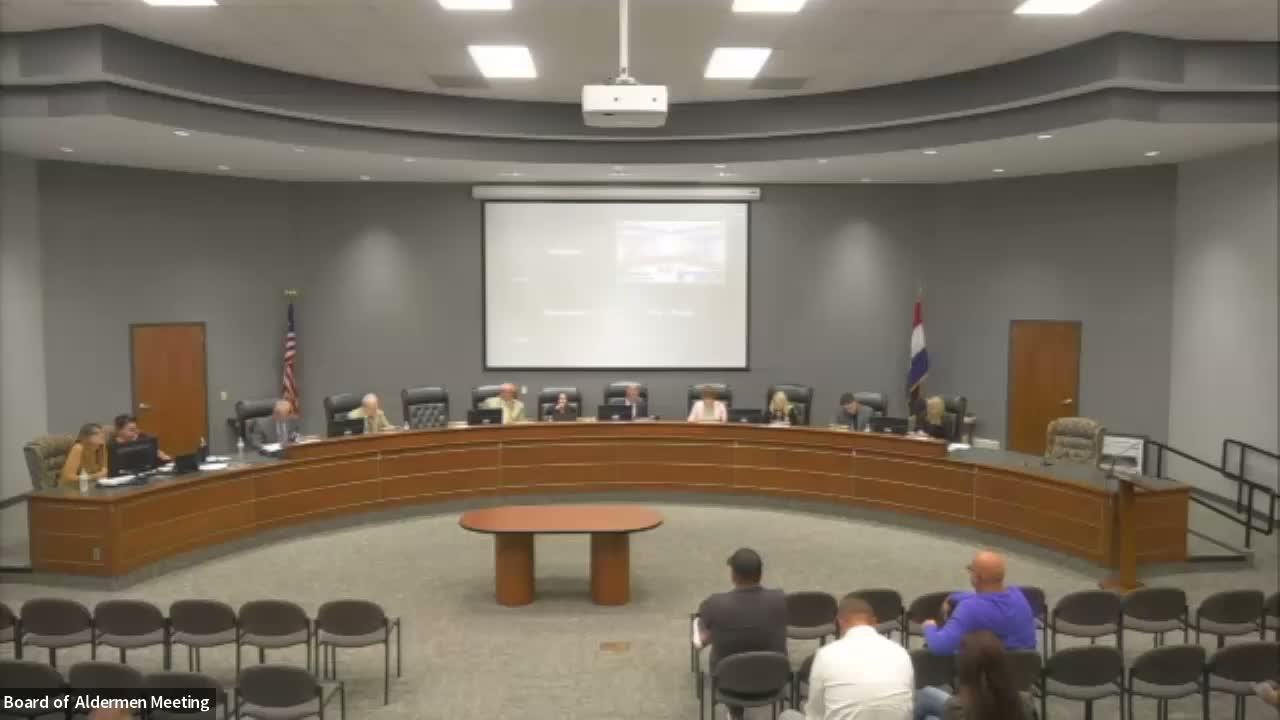
Summary
Dozens of club members and business leaders urged the Fenton Board of Aldermen to approve a special-use pathway for Adventure Unknown; the board debated safety, parking and precedent and a roll-call count produced conflicting announcements about whether the motion passed.
A public hearing that drew a dozen speakers into Fenton City Hall on Sept. 26 focused on Adventure Unknown, a shared-workspace business seeking a zoning designation tied to a proposed private business club rule change.
Supporters described the site as a generator of local spending, networking and charitable activity. “While those tax dollars don't add up to a lot when one individual does it, they do add up to a lot when there's 60 individuals,” said Corey Schonhorst, who said members frequent nearby restaurants and services. Former state representative Jim Avery told the board the venture "wasn't done right" at first but argued the applicant had since sought to correct mistakes: "We screwed up, and we're trying to come back and do it the proper way." Owner Scott Schuessler said the business had returned to the table multiple times with planning and zoning and pledged transparency: “We are genuinely trying to be transparent and responsive to all of your requests.”
Officials and residents debated whether the city should approve an amendment and a special-use permit to regulate the private business-club use. Aldermen explicitly raised safety and parking as concerns: one member warned of the risk of too many people in the building without adequate repairs or egress work; another said reliance on a neighboring business' parking was risky if the neighbor later changed owners or policies. Proponents and other board members said the special-use permit (SUP) framework would allow strict, enforceable conditions to address those issues.
After public testimony and board discussion, Alderman Harrell moved — and Alderman Hills seconded — to adopt bill 24-72 (an amendment related to private business clubs) and convert it to an ordinance. The clerk conducted a roll call that recorded a mix of ayes and nays. The presiding officer initially announced, “It requires 5 votes, and we have 5 votes. Motion passes.”
Minutes later, clerks and members reviewed the tally and the meeting record shows contradictory counts. The presiding officer subsequently stated, “Motion does not,” and a city staff member said a related bill was rendered moot because the use is not authorized within the city's code. The transcript records the procedural disagreement and conflicting announcements but does not include a final, uncontested clerical tally in the public record.
The board did not take further public testimony after the vote confusion and proceeded to new bills.
What happens next: the transcript shows the planning and zoning commission had recommended approval with conditions; the record on Sept. 26 leaves unresolved whether the SUP will be finalized or whether staff or the applicant will pursue follow-up steps to clarify code status and any required remedial work.