Get Full Government Meeting Transcripts, Videos, & Alerts Forever!
Get email alerts on the Parks Impact Fee topic
No spam. Unsubscribe anytime.
Council approves one-time parks impact fee for new development, to be reviewed every five years
Summary
The council approved ordinance 35-20-24, creating a one-time parks impact fee on new construction to fund park and recreation infrastructure. Parks staff said the fee is intended to align funding with population growth; the measure passed 8-1.
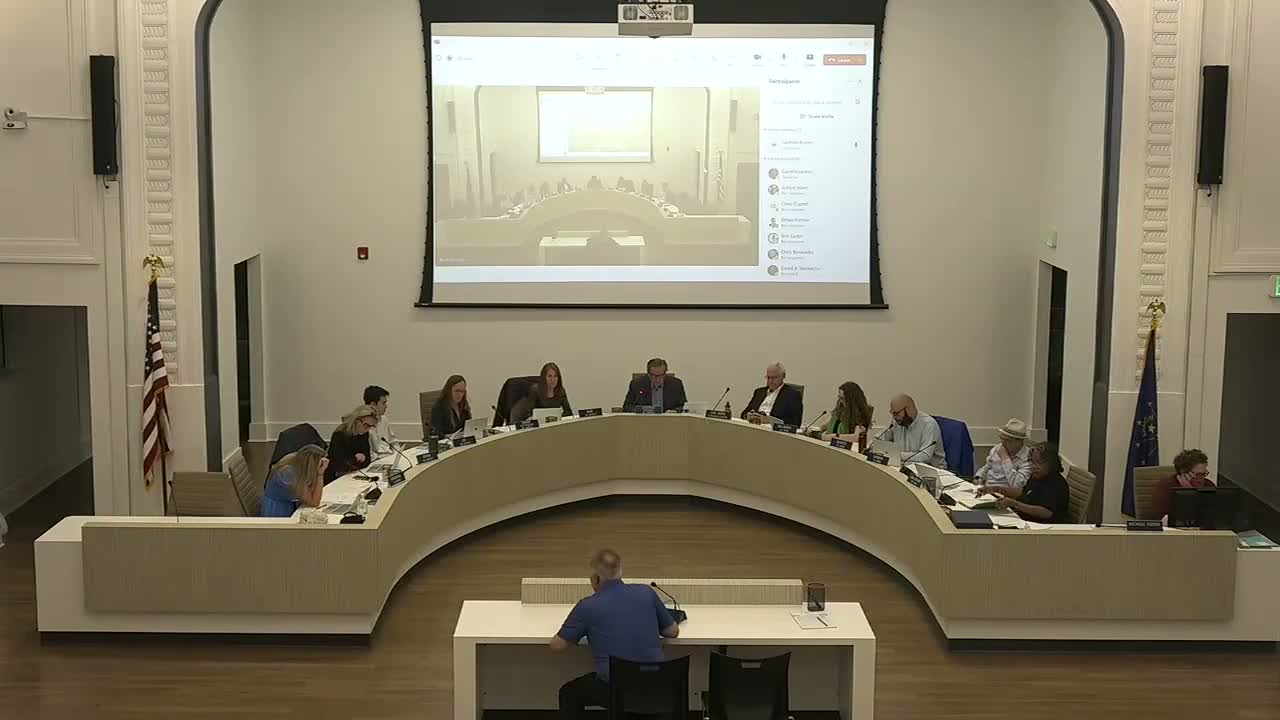
The West Lafayette Common Council on Nov. 4 approved an ordinance establishing a one-time equitable parks impact fee on new construction to plan and finance park and recreation infrastructure.
Kathy Lozano, superintendent of parks and recreation, and Greg Mitchell, assistant superintendent, told the council the fee is intended to provide funding to expand parks and open-space amenities as population grows. Lozano said the fee is "another way for us to be able to manage the green space that we have available." The ordinance allows developers to donate land in lieu of paying the fee and requires a review every five years.
During the public hearing, builder Steve Schreckengas urged caution, arguing the fee could push multifamily development outside city limits and used a hypothetical 200-unit project to illustrate potential cost impacts: "The developer will have to bring a check for $700,000 when you pick up your building permit," he said, calling the fee a significant one-time charge.
Council debate focused on budget constraints and alternatives. One councilor described parks and trails as highly valued by residents and said traditional city funding sources (general fund, TIF, grants, donations) are constrained; another called the parks impact fee "the least worst option" among limited choices. The council discussed TIF commitments, public-safety building needs and other priorities that reduce available funds.
On roll call, the ordinance passed with eight votes in favor and one opposed (Councilor Dennis). Councilors and staff said they expect to revisit the fee in five years to reassess its effectiveness and rate structure.
Next steps include administrative work to implement the fee schedule and public outreach to explain how fee revenue will be used to support parks and trails.