Get Full Government Meeting Transcripts, Videos, & Alerts Forever!
Get email alerts on the Veterans Mental Health topic
No spam. Unsubscribe anytime.
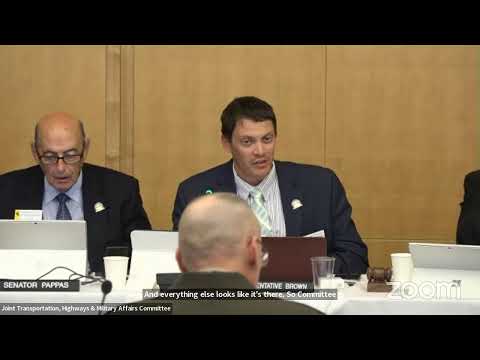
Committee advances veterans'mental-health ideas for more study; no sponsorship today
Summary
Lawmakers discussed a draft loan-repayment program to grow Wyoming-based veterans mental-health providers but deferred sponsorship, asking agencies to supply data on workforce numbers, program costs and funding sources before the next meeting.
The committee engaged in an extended discussion Thursday about a proposed program to expand veterans' mental-health capacity in Wyoming, but deferred sponsoring the bill and asked agencies to return with more data and refined language.
Legislative Service Office staff presented bill draft 25 LSO 83, which would authorize a University of Wyoming-administered loan repayment program for veterans enrolled in approved social work, counseling or psychology master'level programs. Under staff options, recipients could repay loans by working a set percentage of their hours providing mental-health services to veterans in Wyoming for a defined period; the committee would need to decide program parameters including eligible programs, percentage of service hours, loan caps and administrative limits.
Officials from the governor's office and the Veterans Commission briefed the committee on related statewide work: the governor's challenge on veteran suicide prevention, the federal Compact Act (which allows broader access to behavioral-health care for veterans), a workforce-mapping exercise across 16 behavioral-health license types and a pilot to embed veteran-identification in hospital electronic medical records. The administration said Wyoming has started progress on identification and training efforts and is pursuing grants and initiatives to expand clinician capacity.
Committee members pressed for more data about how many eligible students and providers exist in Wyoming, how existing GI Bill or federal benefits would interact with loan repayment, appropriate appropriation levels and whether the program should include community colleges. The committee agreed to continue working the draft and return it to a future meeting with additional cost and workforce information rather than sponsoring it at this session.
The committee asked the governor's office and agencies to provide a list of behavioral-health license types, estimates of provider and student counts, and analysis of possible funding sources and program parameters prior to deciding on statutory language or appropriations.