Get Full Government Meeting Transcripts, Videos, & Alerts Forever!
Get email alerts on the Rezoning topic
No spam. Unsubscribe anytime.
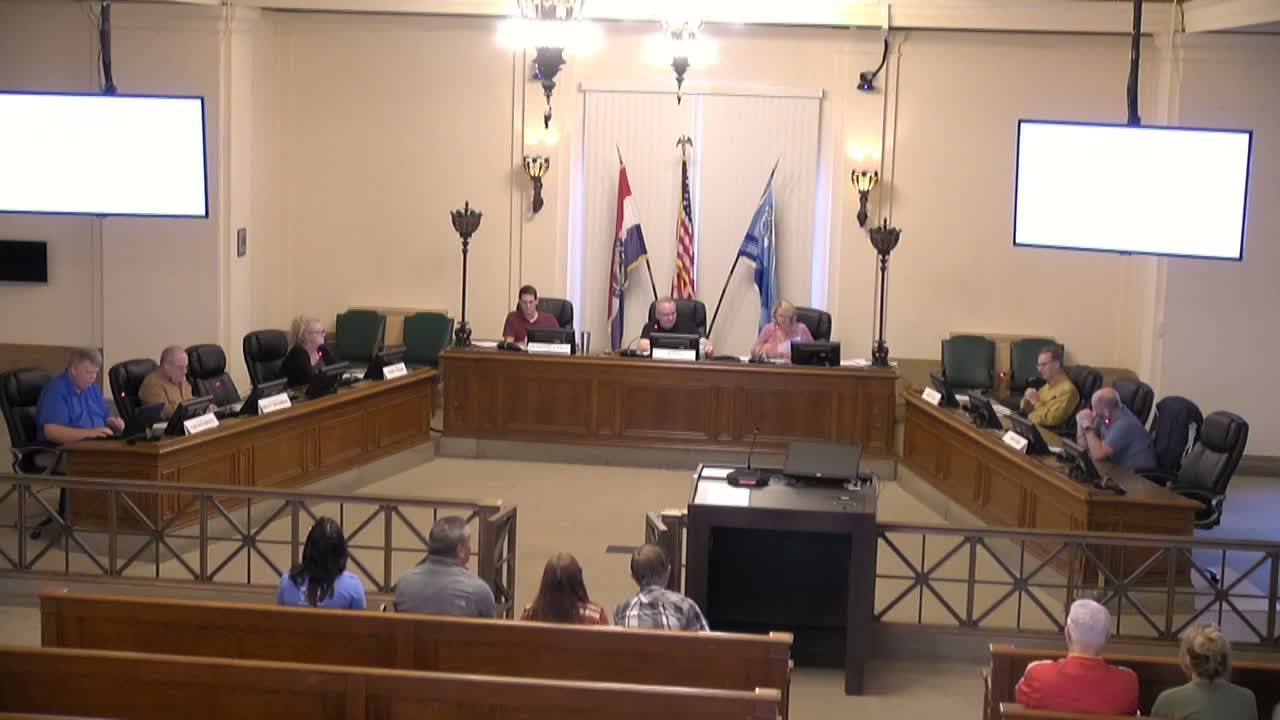
Planning Commission recommends denial of rezoning at 1312 South 30 Eighth Place after heated public comment
Summary
The commission voted against a motion to rezone 1312 South 30 Eighth Place from R-1A to R-2 after extensive public comment; neighbors cited long-term overcrowding, parking, alleged code violations and legal-access concerns while the applicant and supporters described property rehabilitation and added units.
The St. Joseph Planning Commission voted not to approve a requested zoning change for 1312 South 30 Eighth Place, forwarding a recommendation of denial to city council after extended public testimony and commissioner deliberation.
Staff presented the rezoning request from R-1A (detached single-family) to R-2 (two-family) submitted by Zuleima (self-identified during public comment as Sulima/Suleima) Lugo Knapp. Staff advised the commission that the property is currently used as a duplex and that R-2 zoning would allow that use to continue if the property were sold or substantially renovated, provided required permits and inspections are followed. Staff said they had received multiple letters in opposition and recommended approval in their report based on zoning criteria.
Public comment dominated the item. The applicant and several supporters said the owner had invested about $60,000 in renovations and that the property provides needed rental housing. Opponents, led by David Sandy and a number of neighbors, described a long history (they say more than a decade) of multifamily use without proper zoning, alleged building and electrical hazards documented in inspection photos, overcrowding, persistent parking on a private 14-foot street, frequent police calls, and a lack of maintenance. Mr. Sandy said he had tried to raise the issue with the city multiple times since 2012 and provided inspection photos and other documentation to the commission. Neighbors said the property’s use had depressed adjacent property values and created public-safety concerns.
Commissioners discussed their limited legal purview—zoning decisions must be based on land-use criteria rather than tenant complaints—and noted uncertainty about whether the existing structure is legally grandfathered as multifamily. Some commissioners said denial would preserve the status quo and protect neighborhood character, while others raised concerns about enforcement of existing codes and whether future owners would be required to bring the structure into conformance. A motion to approve rezoning to R-2 was moved and seconded but failed on roll call; the commission therefore forwarded a recommendation of denial to city council. Staff emphasized that, despite the commission’s recommendation, staff’s packet recommendation had been to approve.
Next steps: the city council will consider the rezoning request at a future meeting; council action requires a different vote threshold. Any code enforcement issues or civil disputes about private access easements noted by residents would need to be pursued through the city code enforcement process or civil court as appropriate.