Get Full Government Meeting Transcripts, Videos, & Alerts Forever!
Get email alerts on the Balboa Reservoir topic
No spam. Unsubscribe anytime.
SFPUC authorizes negotiations with developer for Balboa Reservoir amid fierce public debate
Summary
The San Francisco Public Utilities Commission authorized an exclusive negotiating agreement with Reservoir Community Partners LLC to negotiate a mixed‑income development on about 17 acres at Balboa Reservoir. Commissioners stressed parking, transit and CEQA reviews after lengthy public comment from City College stakeholders and neighborhood groups.
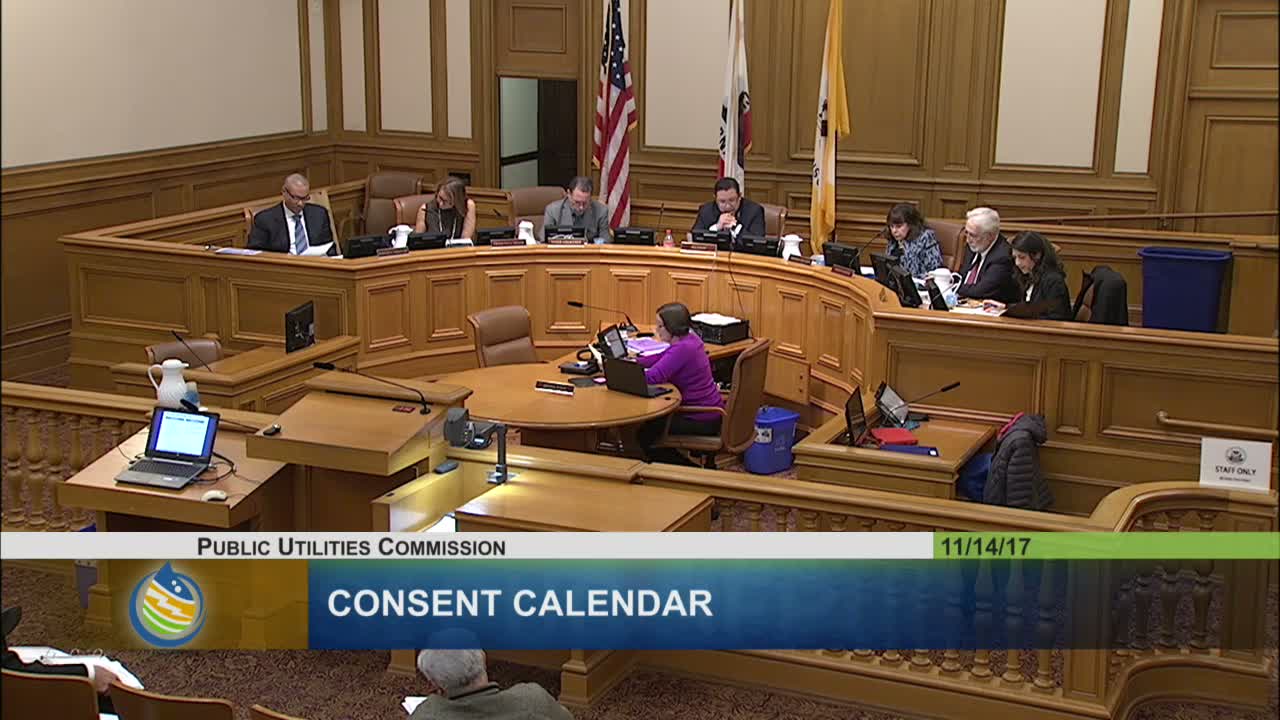
The San Francisco Public Utilities Commission voted Nov. 14 to authorize the general manager to enter exclusive negotiations with a private developer for the Balboa Reservoir site, a 17‑acre parcel near Ocean Avenue long used for City College of San Francisco parking.
Deputy General Manager Michael Carlin presented the proposed exclusive negotiating agreement (ENA) with Reservoir Community Partners LLC and said the selected developer committed to 50 percent of units as affordable housing across low, moderate and middle incomes. Carlin said City College had participated in the selection process and that city attorneys concluded staff has followed legal requirements to proceed with the ENA.
“The developer is committed to doing 50% affordable housing on the site,” Carlin said during the commission presentation.
The decision came after more than an hour of public comment from more than a dozen speakers. Opponents — including City College faculty, students, neighborhood association representatives and labor leaders — said the ENA would strip the city’s bargaining position and risk CCSF access and parking. Supporters — including housing advocates, YIMBY activists and SPUR — argued the infill site near transit is a rare opportunity to add housing, including deeply subsidized units, without public dollars for acquisition.
Michael Ahrens, a Balboa Reservoir Citizens Advisory Committee member, urged the commission not to sign the ENA until the City College parking problem is resolved, saying the ENA grants the developer exclusive negotiating rights that could prevent the college from negotiating directly with the city. “This exclusive negotiation agreement should not be signed before that problem is solved,” Ahrens said.
Several speakers representing City College called for the PUC to transfer the land to CCSF instead of negotiating with a private developer. “City College is an enormous asset for the city,” said Jennifer Heggie, who urged commissioners to deny the ENA because she said the project could exacerbate congestion and strain students who rely on campus parking.
Proponents pushed back that the developer package could deliver significant affordable housing — staff noted 50% affordability on the proposed 1,100‑unit scenario (roughly 550 units). Todd David of the San Francisco Housing Action Coalition said market‑rate development can be paired with nonprofit affordable housing production to increase total affordable units without requiring the college itself to become a housing developer.
Commissioners highlighted the limits of the PUC’s authority and described the ENA as the tool to require the developer to address parking, fund environmental review, and define elements that would be subject to later approval. Commissioners and staff made repeated assurances that the ENA does not bypass CEQA or other approvals: any project returned for approval would include a project description, environmental review, CEQA findings and mitigation measures, and would require subsequent approvals including, as applicable, Board of Supervisors review of fiscal viability and final disposition of city land.
President Kwan framed the vote as authorizing negotiations, not approving a final project. After debate over community concerns and staff commitments to address parking and transit, commissioners voted to authorize the ENA. The motion carried by a unanimous voice vote of the commissioners present.
What comes next: staff will negotiate terms with the developer and return to the commission with a proposed project description, proposed terms and conditions and environmental documentation; those subsequent items will require formal commission action and are subject to CEQA and other city approvals.