Get Full Government Meeting Transcripts, Videos, & Alerts Forever!
Get email alerts on the School Policy topic
No spam. Unsubscribe anytime.
Board adopts new 57‑page code of conduct amid public concern over language and process
Summary
The board voted to adopt policy 5.300, the district code of conduct, and waive a second reading, while trustees and public commenters pressed for edits on special‑education language, the appeals process, and clarity on terms like 'enjoy.' The board committed to revisit the policy at the Sept. 9 meeting.
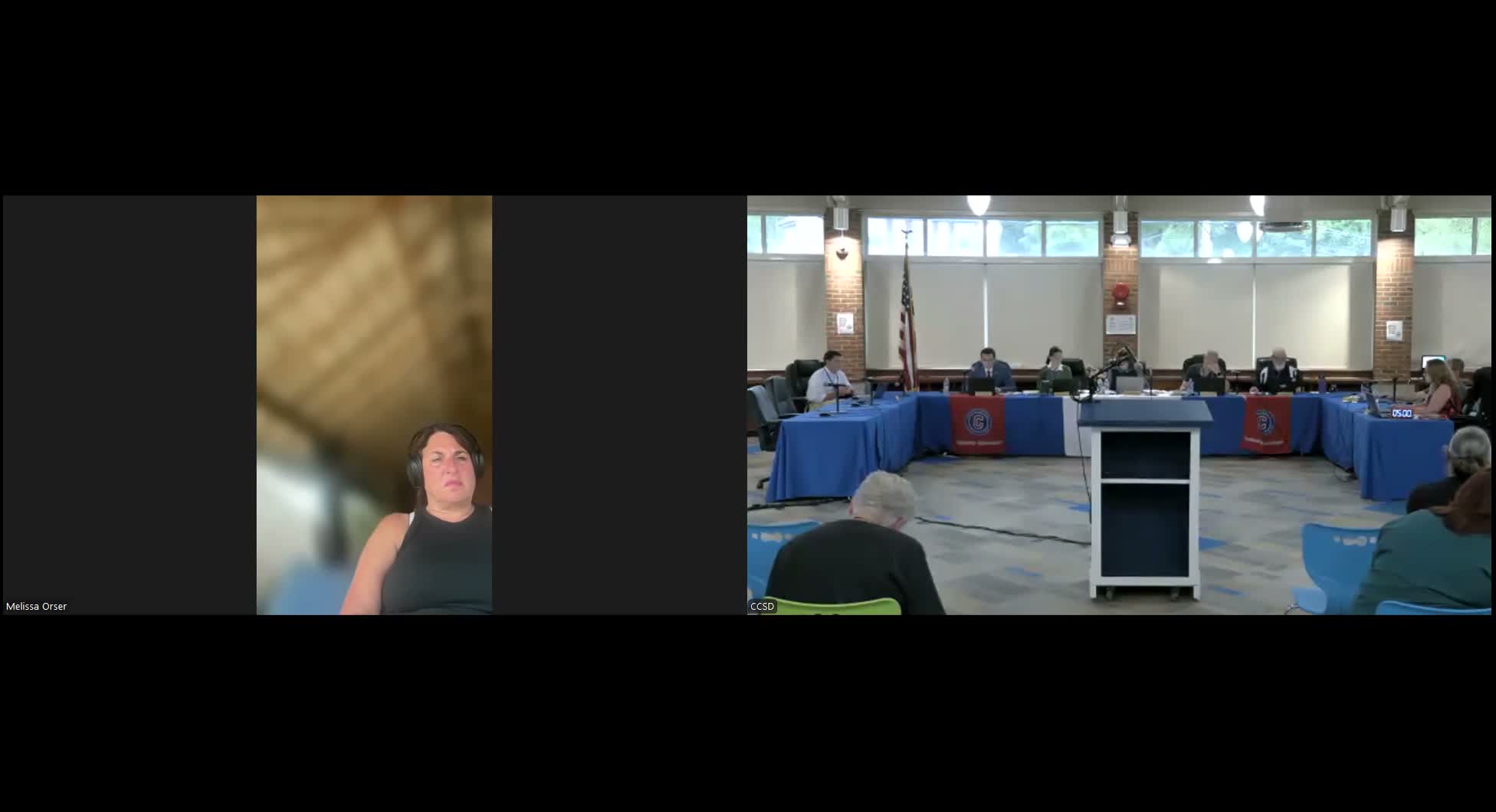
The Carmel Central School District Board adopted a revised, 57‑page code of conduct (policy 5.300) at its Aug. 13 meeting, voting to waive a second reading so the policy would be in place before students arrive for fall activities.
Trustees and public speakers raised multiple concerns about the draft—particularly language that refers to students 'enjoying certain procedural protections' in contexts involving disabilities, provisions on classroom removal, and a proposed editorial change that would limit the number of internal appeal levels for discrimination complaints. Trustee Wise said he could “not, in good conscience, vote to waive the second read,” citing concerns the public received the document only hours earlier and that substantive changes still needed review.
Superintendent (speaking during her report) emphasized the district’s desire to begin the school year with a code aligned to restorative and trauma‑informed practices, saying the adopted document can and will be refined: “We can make amendments to it,” she said in response to criticism, and the board recorded a commitment to return the policy to the policy committee on Aug. 29 and to the full board on Sept. 9 for further review.
The board’s majority supported immediate adoption to provide clear expectations for staff and students — trustees pointed to timing pressures such as fall sports and the district’s desire to implement restorative practices quickly — while dissenting trustees urged more public review and explicit fixes to the language on disabilities and appeals.
The vote to adopt was recorded by roll call; the board asked staff to note public concerns in the minutes and to track requested amendments for the September review.