Lifetime Citizen Portal Access — AI Briefings, Alerts & Unlimited Follows
Commission weighs opening Peninsula Watershed; environmental groups urge caution
Loading...
Summary
SFPUC staff outlined proposals for up to 11 miles of new trails and a possible annual permit system for the Peninsula Watershed; commissioners and multiple public commenters warned that increased access could threaten water supply, habitat and increase fire and erosion risks and said CEQA and further study are required.
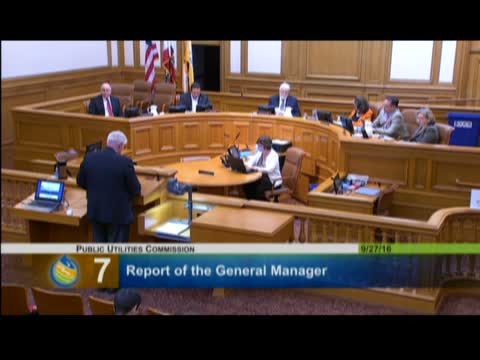
San Francisco — The San Francisco Public Utilities Commission debated whether and how to increase public access to the Peninsula Watershed at its Sept. 27 meeting after staff presented three proposed trail projects and a potential shift from a docent‑led model to an annual permit system.
Steve Ritchie, Assistant General Manager for Water, said the Peninsula Watershed (23,000 acres purchased from Spring Valley Water Company in 1930) includes Crystal Springs and San Andreas reservoirs and is managed primarily to protect drinking‑water quality and ecological resources. "Protecting water quality is the number 1 goal," Ritchie said while outlining three trail projects that would add about 11 miles — a six‑mile Bay Area Ridge Trail extension, a North San Andreas Trail Connector and Crystal Springs Regional Trail improvements.
Ritchie said the Ridge Trail extension and any management change would require federal and state environmental review and that staff is considering an annual permit system that would require registration and permits carried on‑trail, with watershed keepers to patrol and a mix of docent‑led and unaccompanied access. He said the permit approach would itself require environmental review under CEQA.
Commissioners raised concerns about opening the watershed to more users, emphasizing the commission's primary responsibility to protect the water supply and to limit risks to biodiversity, erosion and wildfire. Commissioner Kane said she "sees no reason to introduce more people into our watershed" and asked how permits and docent programs would be balanced; Ritchie said both approaches were being considered and that a full environmental review would inform the policy decision.
Public commenters representing the Sequoia Audubon Society and Committee for Green Foothills urged the commission to retain restrictive access and expand docent opportunities rather than open the watershed more broadly. Marshall Dinowitz and Lenny Roberts warned of endangered species disruption, illegal trail creation and fire risk, and recommended education partnerships to increase access without degrading the watershed.
The Board of Supervisors is considering a resolution urging the PUC to further open the watershed and has requested a report by next March; staff said the supervisors' resolution can urge but not dictate commission action. Commissioners directed staff to proceed with environmental review and return with analysis; no formal policy change was adopted at the meeting.