Get Full Government Meeting Transcripts, Videos, & Alerts Forever!
Get email alerts on the Zoning Law Training topic
No spam. Unsubscribe anytime.
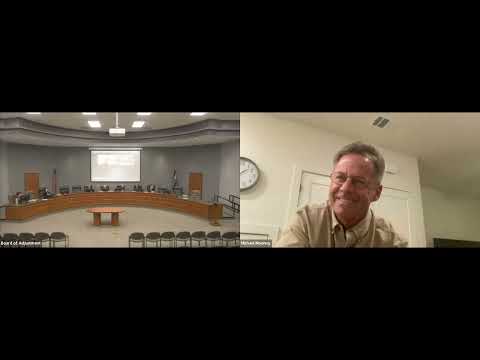
City attorney briefs Fenton Board of Adjustment on variances, appeals, Sunshine Law and ethics
Summary
City attorney Aaron led a detailed training at the Sept. 17 Board of Adjustment meeting, outlining the board’s quasi‑judicial role, evidence rules, how variances and appeals differ, notice requirements under the Sunshine Law, and recusal/ethical obligations.
City attorney Aaron provided the Fenton Board of Adjustment with an extended training on Sept. 17, walking members through the board’s authorities, evidentiary requirements, and ethical obligations when deciding appeals and variance requests.
Aaron told members that the board acts in a quasi‑judicial capacity and must treat hearings like trials: testimony should be on the record, ordinances and staff reports must be entered into evidence, and the chair’s opening statement and written findings of fact and conclusions of law are vital to preserve decisions on appeal. "So everything that you rely on needs to be put into evidence," he said, citing a recent case in which failing to introduce an ordinance into the record led a court to remand the matter back to the board.
The attorney distinguished appeals — challenges to an administrative officer’s interpretation or permit decision — from variances, which require a showing of "practical difficulty" or undue hardship depending on the type of variance. He emphasized that variance relief often "runs with the land," meaning the variance generally applies to the property over time unless substantial changes to the site plan or code make the variance moot.
On public notice and Sunshine Law obligations, Aaron reviewed Missouri practice: hearings typically require 15 days' notice by newspaper or posting on the property and that board meetings and deliberations must comply with open‑meetings rules; tentative agendas should generally list the matters to be considered to avoid adding items at the last minute.
He also cautioned members about ex parte communications and conflicts of interest, advising recusal when a member has a relationship to an applicant or any personal interest that could create an appearance of bias. "You need to come to every single case with an open mind," Aaron said, and the transcript records repeated reminders that private conversations about cases with applicants or attorneys should be avoided.
The training included examples from case law and past board decisions (including a City of Wetherby matter and several variance examples) intended to highlight common pitfalls: insufficient evidence in the record, confusing legal standards (practical difficulty versus undue hardship), and the limits of neighbor support absent admissible evidence. The attorney concluded with procedural reminders about the court reporter, minutes, and the chair’s role in administering oaths and ruling on objections.
Members asked several clarifying questions about how variances interact with future zoning changes and where to find the legislative intent behind a specific code provision; Aaron recommended asking staff (identified in the record as "Amy") under oath and consulting past minutes or staff reports to establish intent. The board did not take any substantive land‑use decisions during the training session.