Get Full Government Meeting Transcripts, Videos, & Alerts Forever!
Get email alerts on the Human Services topic
No spam. Unsubscribe anytime.
United Way tells Tazewell County board: data-driven grants and 211 helped lower returns to homelessness
Summary
United Way representatives told the Tazewell County Board their data-driven funding supports education, health and financial stability; they highlighted 211 as a 24/7 nonmedical referral line, said '1 in 3 people in this county uses United Way services,' and reported regional progress toward functional zero homelessness for veterans and families.
United Way representatives briefed the Tazewell County Board on local needs and programs, urging data-driven investments in education, financial stability and health.
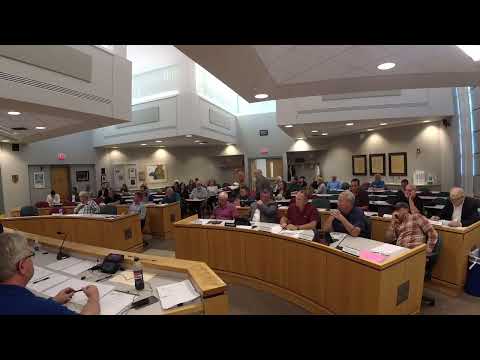
Heather Robinson (United Way) told board members that "1 in 3 people in this county uses United Way services," and described the organization's community-assessment process for selecting programs to fund. She emphasized mental health as a recurring priority in the assessment and framed prevention as key to reducing homelessness and other social problems.
The presentation described 211 as a regional, daily-updated referral service "like 911 for nonmedical emergencies," noting the service receives more than 10,000 calls a year across seven counties and provides multiple referrals per caller. United Way representatives said the region has low "returns to homelessness" (reported at less than 1 percent) and projected reaching functional zero for family homelessness by next December; they also noted functional zero for veteran homelessness had already been achieved in the region.
Keith McKeever, identified as executive director of United Way Pekin, said the local office has raised long-term community support and highlighted partner agencies and volunteer platforms that match community needs with volunteers and services. McKeever said the Pekin-area United Way has a multi-year strategic plan and that, over decades, the community has raised significant funds for local programs.
The presentation urged board members to consult the community assessment and to consider United Way resources and volunteer platforms when shaping county-level decisions about social services.
Next steps: presenters offered to provide board members with copies of the assessment and to answer follow-up questions outside the meeting.