Get Full Government Meeting Transcripts, Videos, & Alerts Forever!
Get email alerts on the Recreation Contracts topic
No spam. Unsubscribe anytime.
Pickleball club’s presence at school courts sparks community access debate and planning discussion
Summary
A lengthy public exchange covered the pickleball club’s 625+ membership, a wait list near 480 people, resident complaints about access to publicly owned courts, and potential solutions including guest passes, twilight hours and facility investments; no final policy change was adopted.
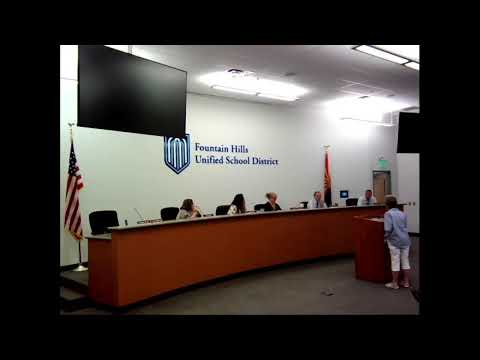
A prolonged public discussion at the Fountain Hills Unified School board centered on the district’s long‑running arrangement with a local Pickleball Club and community complaints about access to school courts.
The club’s representative (Speaker 3) described approximately 625 current members with plans to expand to 650 and said the wait list stretches back to 2022 and totals at least 480 people. He said the club offers guest passes, renewal cycles and tiered scheduling for skill levels. Several board members and members of the public described complaints that courts appear underused at some hours but are inaccessible to residents without membership.
Board members and the club explored possible remedies: opening limited resident play hours, summer guest passes for nonmembers, reserved times for resident access, and potential capital plans for additional courts if funding or property can be found. Club leadership emphasized security and safety concerns (unauthorized access and vandalism), membership management systems, and the logistical challenge of scaling to meet demand.
Superintendent and staff said they would continue conversations with the club and the town about access and feasibility of additional courts; the board offered the idea of more school‑based programming (student clinics) as a way to strengthen public benefit. No binding contract amendment was approved at this meeting; discussion and follow‑up were requested.
Why it matters: the club operates on public property under an agreement that the board said should provide fair market value and demonstrable benefit to the district; balancing recreational private‑sector partnerships and public access is a recurring governance issue for districts that host community programs.
Next steps: staff will continue to work with the club and report back with options to increase resident access and clarify scheduling, security and any capital investment proposals.