Get Full Government Meeting Transcripts, Videos, & Alerts Forever!
Get email alerts on the Digital Forensics Cellphone Lab topic
No spam. Unsubscribe anytime.
Prosecutor highlights county’s digital forensics ‘cell phone lab’ that processed 2,526 devices
Summary
The Vanderburgh County prosecutor showcased a Bureau of Justice documentary about the county's digital forensics unit, saying the lab has processed 2,526 devices, serves dozens of agencies and aims for a three‑day turnaround on actionable intelligence.
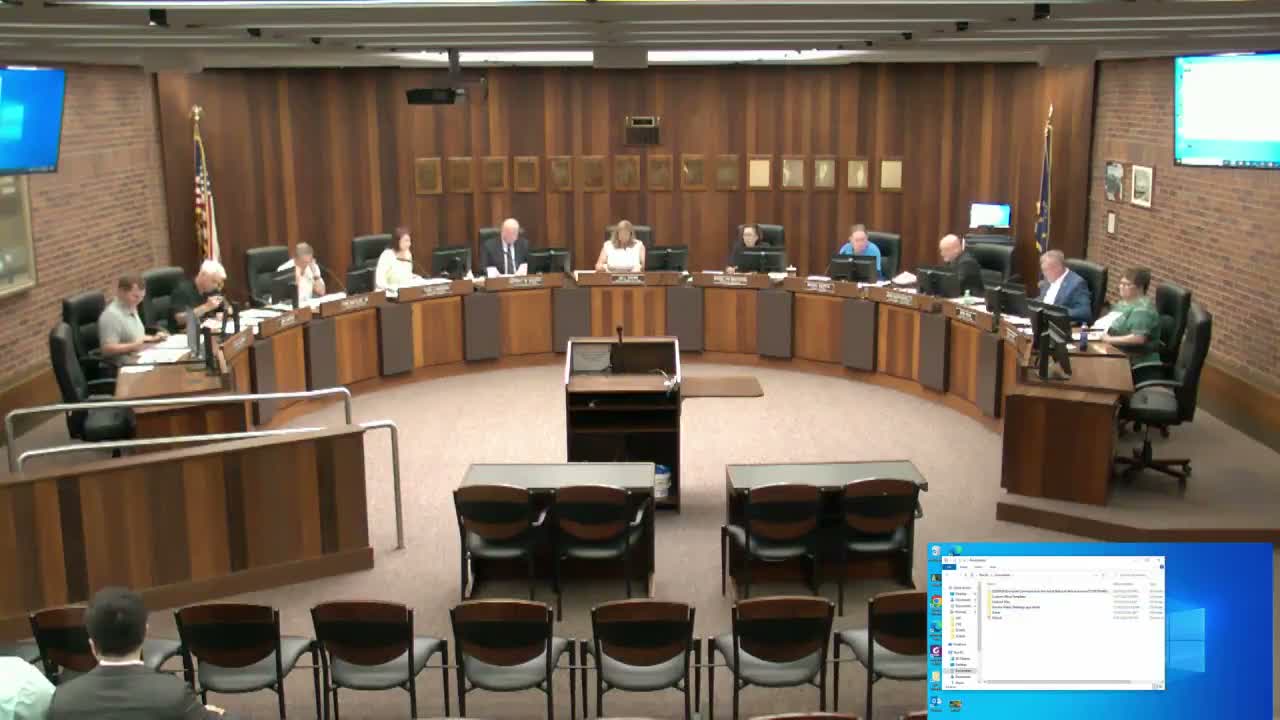
The Vanderburgh County Prosecutor’s Office on July 10 presented a documentary and update on its high‑tech crimes unit — commonly described at the meeting as a "cell phone lab" — that officials said has processed 2,526 digital devices and now supports regional and federal partners.
Prosecutor Merce (identified during the meeting) said the lab’s output has exceeded earlier projections and that it serves about 38 agencies, including the Evansville Police Department, the sheriff’s office and federal partners such as the ATF, DEA and FBI. "So far, we've processed 2,526 digital devices," Merce said, and staff are seeking to double output this year.
Merce explained the lab’s goal is to provide a three‑day window for "actionable intelligence" — meaning an investigator will either receive usable data or a determination of limits within three days of submitting a device. She said the lab expanded capability through a BGIA grant that bought equipment and enabled hiring and internships.
Investigator John Carter described forensic techniques used on laptops and phones, including dead‑boxing (removing a hard drive and creating a forensic image) and live extraction when encryption prevents simple methods. "A lot of times when we do laptops, we do what's called dead boxing," Carter said, explaining the steps investigators take to preserve timestamps and ensure evidentiary integrity.
Council members praised the unit’s training partnerships with the U.S. Secret Service National Computer Forensics Institute and the use of interns from local universities. Merce noted the lab’s role in securing convictions in cases where digital evidence complemented limited eyewitness testimony.
Next steps: Prosecutor’s office said it will continue training and expand the lab’s role in gun‑crime initiatives supported by a federal grant, and intends to maintain and scale the internship pipeline to meet personnel needs.