Get Full Government Meeting Transcripts, Videos, & Alerts Forever!
Get email alerts on the Student Safety topic
No spam. Unsubscribe anytime.
Board hears district updates on seclusionary time‑out rules and bullying policy, with parents and staff raising concerns
Summary
Presenters reviewed seclusionary time‑out rules, reporting and parent notification changes, and updated bullying and PBIS procedures. Parents and staff urged quicker facility and staffing supports and asked for more transparency on reporting and supports for affected students and teachers.
District staff presented two interconnected student‑safety items: seclusionary time‑out procedures and updates to bullying policy and school climate supports.
Katherine Allen (presenter) described the district’s interpretation of seclusionary time‑out under state code. She told the board that seclusionary time‑out occurs when a student is isolated in a safe, enclosed space in accordance with Utah law, prevented from leaving or reasonably believing they cannot leave. Key rules include continuous monitoring (line of sight or staff presence), doors with self‑releasing latches if required to be held, a single‑instance maximum of 30 minutes after which parents must be notified immediately, and strict prohibitions on prone or air‑restricting restraints. Allen emphasized seclusionary time‑out is not the same as a calming corner or reset area; it is an emergency intervention used only when a student poses imminent danger. She said functional behavior assessments (FUBAs) and parent consent are now required components before some interventions, and documentation/notification practices have tightened compared with past practice.
Board members and parents asked operational questions: how often seclusionary rooms are used (the presenter said she could not provide a reliable month count at the meeting but offered to supply data), how parents are notified (phone, text or email allowed, per parent preference), and how staff injuries are tracked. The presenter described several recent staff injuries—concussions, broken arms, bite marks—and said documentation systems and ongoing staff training aim to reduce incidents.
Megan Bushnell and school principals described bullying‑policy updates (Policy 5270 and district Safe Schools language), PBIS implementation across schools, threat assessment using the CSTAG model, reporting and documentation using the Educators Handbook, and supports such as counselors, LCSWs and HOPE squads. They described a graduated response—supportive measures, investigation (camera review and statements), parent contact for both parties—and said the district plans parent education, climate surveys and data collection to identify patterns and repeat offenders.
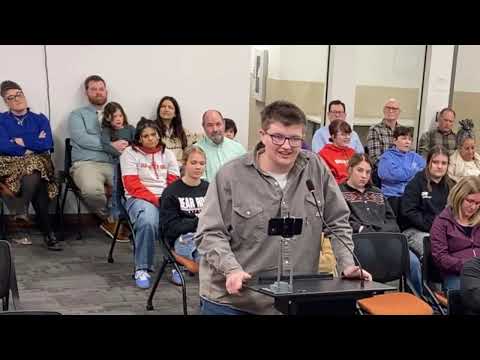
Parents who spoke during public comment asked for faster facility fixes (e.g., portables at Lakeview), clearer timelines for decisions, and better communication. Staff and administrators requested continued support, more counseling resources, and recognition of the strain on special‑education staff.