
Senate passes SB003 to expand ballot language, allow broader uses of Healthy School Meals fund
Get AI-powered insights, summaries, and transcripts
Subscribe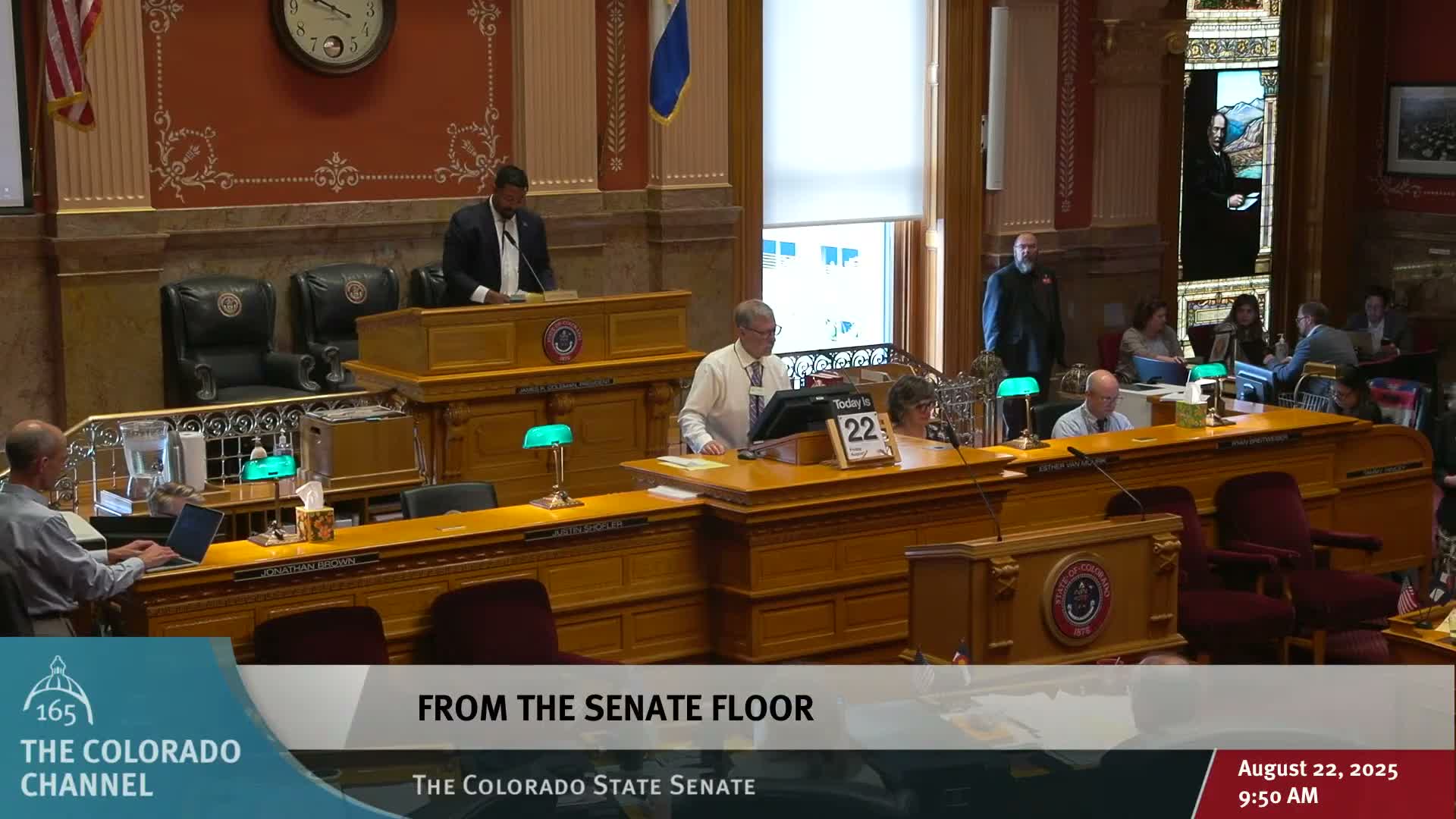
Summary
The Senate approved SB003 to broaden ballot language and permissible uses of the Healthy School Meals for All cash fund, saying it would let voters decide to protect school and family food access amid federal changes to SNAP funding. The bill passed 23–12 after extended debate about administrative costs and error rates.
Senators on Aug. 21 passed Senate Bill 003, which alters ballot language and would permit broader uses of the Healthy School Meals for All cash fund to support access to healthy food for Colorado families, the Senate announced during its special session.
Sponsor Senator Wallace urged colleagues to approve the change, saying the program now supports more than 600,000 school meals a day and that expanding the ballot language would allow voters to decide whether to preserve and broaden access to healthy food as federal policy shifts. "We have the opportunity to help ensure that no child in Colorado goes hungry at home or at school," Wallace said.
Opponents, including Senator Frizzell, urged a no vote, saying the state has not demonstrated that the original funding projections were accurate and raising concerns about compliance with the Taxpayer Bill of Rights (TABOR). Frizzell warned that returning to voters to expand uses could subvert TABOR’s intent to return surplus revenue to taxpayers.
A central point of floor debate was the impact of the federal law referred to in the session as HR 1. Frizzell told the chamber that Colorado’s SNAP payment error rate was 9.97 percent and asked whether the state is addressing administrative error rates before asking voters to expand funding purposes. Other members, including Senator Kirkmeyer and members of the Joint Budget Committee, questioned statements that HR 1 directly reduced SNAP benefit levels and emphasized that HR 1 shifts more implementation and administrative costs to states.
Senator Weisman said the special session was a response to HR 1’s effects on state revenue and argued accurate ballot language was necessary so voters can weigh whether to allow a broader set of uses for the revenue.
After debate, the Senate took final passage of SB003. The clerk announced a roll-call result listing 23 ayes and 12 no votes; the bill passed.