Get Full Government Meeting Transcripts, Videos, & Alerts Forever!
Get email alerts on the Student Learning topic
No spam. Unsubscribe anytime.
Georgetown ISD says literacy gains are on track, flags math and tier-3 supports as priorities
Summary
District administrators told trustees midyear evidence shows literacy gains and stronger classroom alignment, while mathematics and intensive (tier‑3) interventions need more staffing and PLC time; OnRamps advising and report‑card revisions were highlighted.
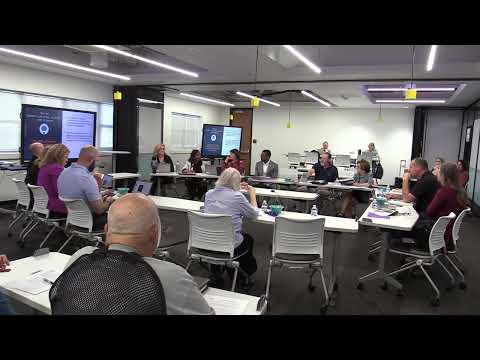
Dr. Sonia Howard presented GISD’s midyear review on Feb. 4, telling trustees that fall‑to‑winter K–8 MAP and mCLASS reading data indicate students are making expected growth and that literacy initiatives — particularly phonics routines — are contributing to those gains.
The presentation said administrators logged more than 2,500 classroom walkthroughs and that 86% of visited classrooms showed learning at grade level; 78% of visited lessons aligned with the district curriculum. "This is evidence of that work," Dr. Howard said, and district leaders framed the findings as on track while acknowledging remaining areas for improvement.
Why it matters: The district set an 80% alignment goal for classroom instruction. Trustees were shown parent‑survey results indicating 81% of parents feel well informed about progress and that elementary report cards were revamped with a cover sheet and legend to improve clarity for families.
What’s next: Administrators said they will expand PLC time so teachers can plan mathematics instruction more deeply, add professional‑development sessions focused on problem solving, and increase conferencing and feedback practices to lift student writing. Dr. Howard noted mathematics remains a work in progress and that staff will prioritize cross‑campus planning during February professional learning events.
District staff also summarized college‑, career‑and‑military readiness indicators, noting a 37% industry‑based certification (IBC) rate (up 5 points) but warning that TEA accountability rules now require students to complete a full CTE sequence for an IBC to count. Officials described OnRamps — the University of Texas at Austin co‑taught dual‑credit program — as an important pipeline: "OnRamps is co‑taught by a UT professor and a GISD teacher," a presenter explained, and students may choose to accept UT credit at semester end.
Trustee questions focused on intervention structures. When asked whether the district has enough staff to support tier‑3 interventions in priority schools, a trustee answered bluntly: "We don't have enough personnel." Dr. Howard confirmed tier‑2 interventions are often planned and executed in classrooms via PLC work, but she said additional supports are needed for intensive interventions and that student support teams are coordinating individualized plans and connections to outside resources.
Administrators pointed to other programs and recognition efforts — including campus‑level "learner‑profile" awards and an advising grant that will have middle and high school students complete career‑interest profiles — as steps to connect students to pathways and to improve CCMR outcomes. The presentation emphasized the district is still collecting some lagging data (military readiness figures from the Department of Defense and OnRamps verification), so final CCMR tallies are incomplete.
The board directed staff to continue expanding teacher planning time for mathematics, maintain literacy coaching and walkthrough efforts, and return with additional details on staffing needs for tier‑3 interventions.