Get Full Government Meeting Transcripts, Videos, & Alerts Forever!
Get email alerts on the Student Device Policy topic
No spam. Unsubscribe anytime.
Public urges bell-to-bell phone ban; district cites cost, logistics and existing pouches
Summary
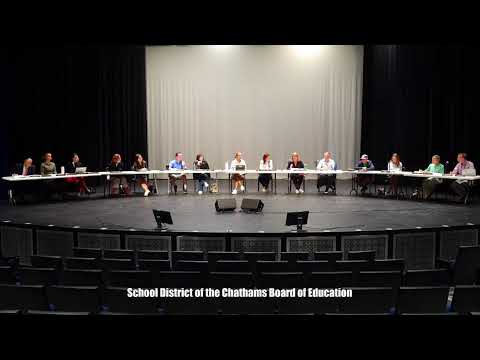
At the School District of the Chathams meeting, public commenter Bill Heap urged a bell-to-bell ban on student phones citing Virginia’s recent law and research; district officials said classrooms already use locked pouches and cited equipment, staffing and enforcement costs as obstacles to districtwide bell-to-bell implementation.
Bill Heap, a Chatham resident, urged the School District of the Chathams board to adopt a “bell-to-bell” ban on student cell phones, pointing to recent Virginia legislation and research he said show phone-free school days improve concentration and reduce bullying. “Kudos to Virginia for doing something about it. … Bell to bell is a better proposition,” Heap told the board.
District leaders told the board they already restrict phones during class and use locked pouches in which students store devices for periods. Administrators and board members cautioned, however, that expanding a pouch-based system to cover the full school day would bring significant logistical and financial challenges: pouches and related equipment carry upfront costs, staff would be needed to collect and return devices at arrival and dismissal, and the district would face enforcement issues (including students using dummy or old phones instead of current devices).
The board’s classroom policy, officials said, already prohibits phones being visible or used during instructional time; suspension and other disciplinary responses are applied in cases that rise to harassment or intimidation. A district speaker said the number of infractions has declined since the district moved to instructional bans and pouch systems in classrooms.
Board members and administrators also noted limits to enforcement: many students keep smart watches and parents sometimes need to contact children during the day; supervising thousands of devices across multiple buildings would require additional staff. The district suggested continued parent education and existing classroom-level rules as practical steps while the board considers broader policy changes.
The board did not vote on a new phone policy at the meeting. Board members asked staff to continue monitoring outcomes and feasibility and to report back with cost estimates and operational options.
The public-comment segment that included Heap’s remarks took place during the board’s designated public comment period; the meeting later proceeded to its regular agenda and items requiring votes.