Get Full Government Meeting Transcripts, Videos, & Alerts Forever!
Get email alerts on the Curriculum topic
No spam. Unsubscribe anytime.
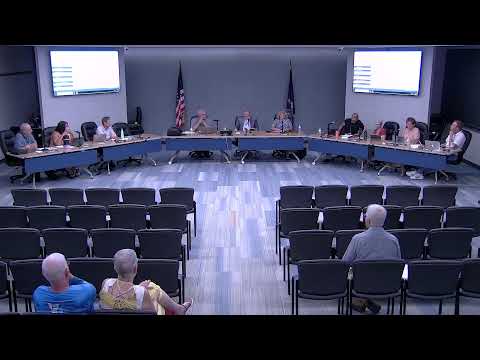
Board debates expanding elementary specials, balancing interventions and staffing
Summary
Board members and administrators discussed modernizing related-arts and specials scheduling (possible fifth special for K–3, six‑day rotation for grades 4–6), emphasizing teacher planning time and the need to prioritize reading interventions and staffing before adding new programs.
District administrators introduced discussion on modernizing curriculum and related-arts scheduling, proposing a possible fifth special for elementary students and a different rotation for upper elementary that could provide teachers with planning time and students with more variety.
Administrators said the current K–5 schedule includes four specials and that moving to a five-day special for K–3 or a six-day rotation for grades 4–6 could open opportunities such as STEM, world language and integrated-arts options. They asked the board for high‑level guidance and permission to explore pilot ideas.
Board members raised budget and staffing concerns. One member cautioned that adding a fifth special has cost implications and that the district remains short on interventionists and no longer has a district reading coach; several members urged prioritizing basic reading and interventions before expanding specials. Others suggested professional development to equip existing teachers with intervention skills and recommended exploring integrated arts and early world-language exposure (Spanish) as lower-cost, high-impact options.
Administrators and board members agreed to gather more data on student achievement (existing PSA scores and the Walk to Read rollout) and staffing needs before taking action. The discussion closed with direction to continue idea-sharing and modest exploratory work rather than committing to large new staffing initiatives immediately.