Get Full Government Meeting Transcripts, Videos, & Alerts Forever!
Get email alerts on the School Culture Kindness topic
No spam. Unsubscribe anytime.
Sumner School District hears plan to embed kindness into schools' operating culture
Summary
Presenters described a community-grown 'Strong Minds, Kind Hearts' initiative—student clubs, community partners and free publicity—that organizers say boosts connection and supports the district’s strategic goal on social-emotional learning; the board was asked to consider formal endorsement in July, no vote was held.
Sumner School District trustees heard a presentation proposing the "Strong Minds, Kind Hearts" initiative at their June meeting, a community-style kindness program organizers say can be woven into the district’s strategic plan to strengthen students’ sense of belonging and social‑emotional learning.
Presenters described a model developed in Wenatchee that grew from a five-person organizing team into dozens of volunteers, student clubs and community partners. Jean, the visiting educator and presenter, said the program’s simple goal—encouraging regular, small acts of kindness—ties directly to school safety and student engagement. "Kindness is not a weakness. Kindness is a strength," Jean told the board.
The proposal shared examples and measurable outcomes organizers said the model produced. Jean said one elementary school logged 1,400 "happy letters" in a month and a local high‑school Random Acts of Kindness club included about 160–170 students. The initiative’s stated goal in 2023 was "2,023 acts of kindness," which organizers said they completed quickly after the campaign launched. Presenters emphasized the program relied on donated materials, free media coverage, and volunteer time rather than new district funding.
Organizers outlined practical elements the district could adopt: student-run clubs and "hope squads" to identify lonely or at‑risk youth; recognition activities and spirit days; community service events (warm-hat drives, shelter support); and simple, repeatable actions staff and students can do daily. They also showed sample packet materials—proclamations for mayors, flyers, a website for submitting acts of kindness—and suggested coordinating a launch with back‑to‑school events.
Board members responded with wide praise and offers to participate in outreach and publicity. One board member cautioned against issuing symbolic proclamations alone, urging the district to pair any endorsement with concrete, sustained activities: "I have thumbs down emphatically if we just forward to say, here's a proclamation, and it's all words and it's not do," the member said. Presenters acknowledged that caution and said their recommendation was to return in July with a formal action item and an implementation plan for board consideration.
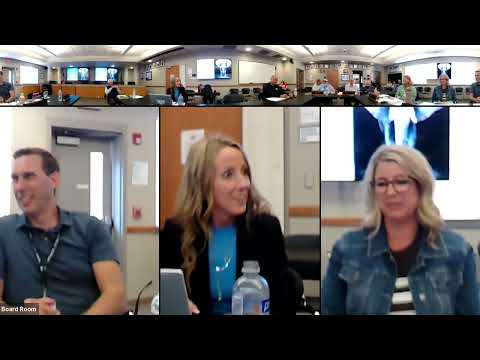
No formal motion or vote occurred at the meeting. Presenters requested direction to bring a draft endorsement and implementation plan to the July meeting; trustees signaled interest and several board members volunteered to be visible champions. The meeting closed with a photo opportunity and agreement that staff and presenters will prepare a formal proposal for the board’s next meeting.
Next steps: staff and the presenters will prepare a formal agenda item and implementation plan for the board’s July meeting; no policy or budget change was adopted at the June session.