Get Full Government Meeting Transcripts, Videos, & Alerts Forever!
Get email alerts on the School Health Staffing topic
No spam. Unsubscribe anytime.
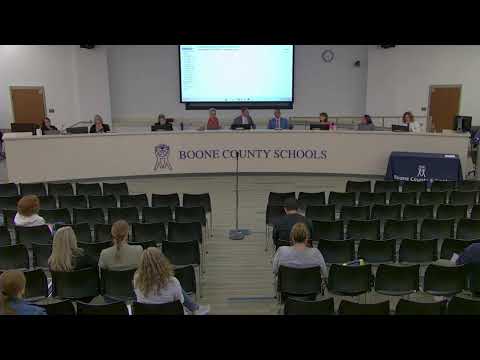
Boone County nurses tell school board cuts to health-clerk roles threaten student safety
Summary
During public comment, school nurses urged the board to restore full-time health clerk support after staffing cuts. Speakers said nurses cover 27 schools with 23 nurses and described thousands of first‑aid visits and life‑threatening conditions that require RN response.
Boone County school nurses told the Board of Education that recent staffing cuts and part‑timeing of health‑clerk positions are risking students’ safety and the district’s ability to respond to medical emergencies.
At the audience of citizens portion of the board meeting, Amy Schroeder, who identified herself as an RN, told trustees: “Last year alone, my school saw 12 thousand 491 first‑aid visits. That’s an average of 70 a day.” Schroeder said her building’s health clerk position was reduced to part time, leaving the first‑aid room uncovered during common needs such as diabetes management, medication administration and acute events that require an RN.
The witnesses pressed the board to treat health clerks as a distinct, allocated position in the staff support category and to avoid pulling health clerks from first‑aid rooms for other duties. “We have kids who have frequent asthma attacks and could have seizures, allergic reactions, falls, head injuries that require an RN to assess them,” Schroeder said, noting that several elementary schools each have multiple students with diabetes who need time‑sensitive medication.
Lisonbee Coleman, another district nurse, said Boone County operates with 27 schools and 23 nurses this year and that nursing staff were responsible for state‑mandated immunization audits, vision and dental records, individual health care plans, and daily medication administration. “We need a nurse in every building, which we do not have,” Coleman said, urging the board not to reassign health clerks away from the first‑aid room.
Veteran nurse Carol Dwyer described managing dozens of daily medications and emergency medications across her caseload and said removing health‑clerk support could imperil both students and nurses’ professional licenses. “There’s no way I could do that without health clerks running things while I’m doing the big things at the other schools,” Dwyer said.
Board members thanked speakers and noted the comments will be part of ongoing discussions about staffing and budgets. No formal policy change or vote on staffing was taken at the meeting; the public comment did, however, precede the board’s routine budget and personnel items later on the agenda.
The nurses’ testimony placed numbers and operational details on the record: the cited first‑aid visit count, the districtwide nurse count (23 nurses across 27 schools), and claims about training and duties (diabetes care, G‑tube feeding, catheter care and medication timing). Those specifics will inform future budget and staffing conversations, the witnesses said.