
Families, advocates tell prison commissioners of medical neglect and inadequate food after transfers
Get AI-powered insights, summaries, and transcripts
Subscribe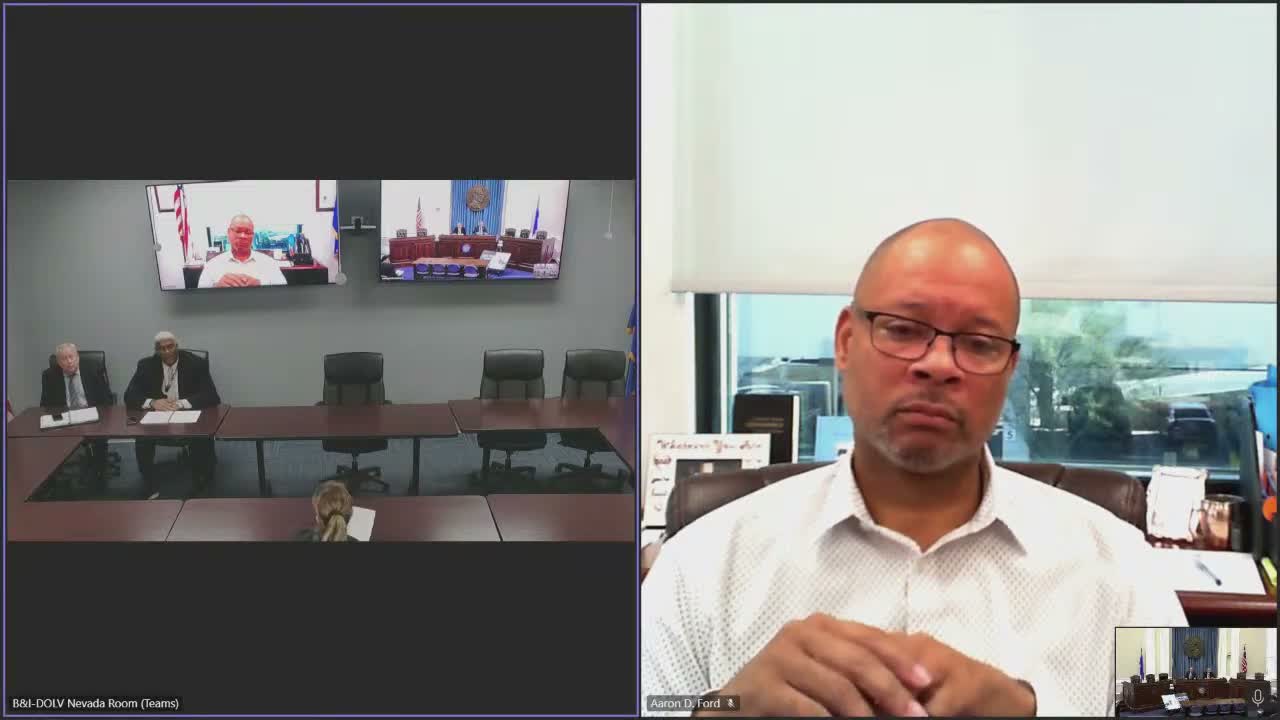
Summary
Multiple family members and advocacy groups urged the Board of State Prison Commissioners to address alleged medical neglect, missing medications, and inadequate, sometimes unsanitary food in state prisons following recent mass transfers; advocates said hundreds of letters document systemic problems.
At the Board of State Prison Commissioners meeting on Dec. 19, families and advocates pressed board members to address what they described as widespread medical neglect and poor food and sanitation in Nevada prisons following recent inmate transfers.
Lori Beecher Valenzuela, an activist with Return Strong, read a letter saying medical kites go unanswered and that nurses tell incarcerated people they are “just one among 500,” adding that the food is “not fit for human consumption.” Nicole Williams, a Return Strong staff mail coordinator, told the board her organization has triaged 1,134 letters from across the state reporting filthy units, lack of hot water and inadequate medical and mental health services.
Family members recounted specific medical lapses. Laurie Roble said her nephew at Southern Desert Correctional Center has missed insulin and blood‑pressure medication and has waited months for specialist care; she called on the board to intervene. Christine Essex said her son, an amputee with seizures, was left without medication for five days at High Desert. Tammy Berg read a letter describing daily food portions that she said are insufficient for a 25‑year‑old man.
Advocates also described a broader “aftershock” from the High Desert–Ely transfers: reports of delays in returning property and trust funds, extended lockdowns with little yard time and allegations that cameras and handheld recording devices were not used during incidents raised in some letters. Kale Casorso, a volunteer organizer with Return Strong, cited one log showing inmates in a unit had 10 hours and 25 minutes out of their cells over three months.
The board heard differing characterizations of inspection results. Vincent Valiente, representing the Division of Public and Behavioral Health’s chief medical officer, told the board that while dietary and sanitation inspections identified 14 critical violations across six facilities in 2024 (an increase of two from 2023), “no substantial nutritional adequacy violations were identified” during the inspections. Several public speakers disagreed, saying the inspected trays do not reflect what is actually served on the units.
The board did not take any immediate remedial action during public comment but heard NDOC leaders describe steps they say are underway: equipment repairs in kitchens funded through ARPA, staffing and policy changes in medical units, and plans for better pharmacy and medication tracking. Attorney General Ford and board members flagged continued public concern about nutrition and medical access and asked NDOC leadership to keep the board updated.
The board closed public comment without voting on the complaints; the next procedural step described on the record was to place follow‑up items, including some medical and operational updates, on future agendas.