
University educators urge State Board to restore subject endorsement for theater and speech
Get AI-powered insights, summaries, and transcripts
Subscribe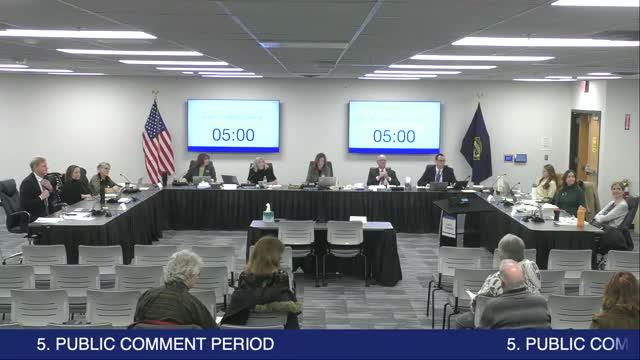
Summary
University theater professors and education leaders told the board restoring a subject endorsement for theater and speech would strengthen teacher preparation, fill open secondary positions and boost student opportunities; presenters urged rule changes to allow secondary ed majors to earn a subject endorsement rather than only a supplemental endorsement.
Multiple university educators told the State Board on March 7 that Nebraska should allow secondary education majors to earn a subject endorsement in theater and speech rather than only a supplemental endorsement.
Ryan Kathman, a theater professor at Nebraska Wesleyan University, said a full subject endorsement would improve preparation of future teachers, attract more candidates to the field and elevate theater and speech as academic disciplines. “This change will benefit the educational system in lots of ways,” Kathman said, urging the board to approve the proposed change.
Dan Hayes, director of theater at Midland University, described local demand and reported that some schools have difficulty filling theater positions. He told the board he and his program are prepared to reinstate degree programs if a subject endorsement is permitted.
Robin McKircher of Doane University described declining local theater enrollment compared with neighboring states and argued a restored endorsement would strengthen Nebraska’s talent pipeline and provide economic benefits tied to theater festivals and events.
Why it matters: Board policy and rule changes that govern endorsements affect how teacher‑preparation programs are structured and whether graduates are eligible for specific certification pathways. Presenters said the change would increase the number of qualified theater teachers and support K–12 performing‑arts instruction.
What’s next: The topic was aired during public comment. The board did not vote on a rule change at the meeting; board members and staff acknowledged they will consider the matter in committee and in future agenda items.