Get Full Government Meeting Transcripts, Videos, & Alerts Forever!
Get email alerts on the Audit topic
No spam. Unsubscribe anytime.
Auditors give DeWitt Public Schools an unmodified opinion; pension and OPEB positions improve
Summary
External auditors presented a clean (unmodified) opinion on DeWitt Public Schools' 06/30/2025 financial statements, reporting a drop in the district pension liability and a larger OPEB asset; auditors noted year-over-year stability in revenues and highlighted reliance on ESSER funds that have now ended.
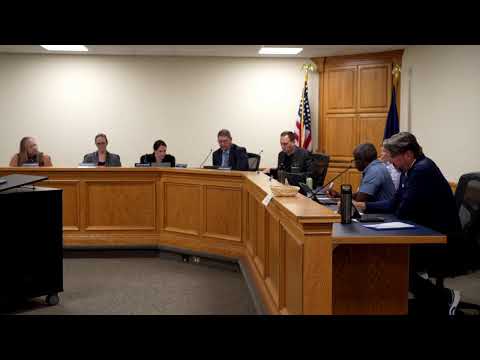
Auditors told the DeWitt Public Schools Board that they issued an unmodified (clean) opinion on the district’s audited financial statements for the year ended June 30, 2025. "We issued an unmodified or a clean opinion on the statements," the lead auditor said during the presentation.
The presentation highlighted several key figures. The district’s pension liability decreased from about $58 million last year to about $46 million this year, the auditors reported. The district’s other post-employment benefit (OPEB) position, which had been reported as an asset of roughly $1 million last year, increased to about $8 million in the current year, the auditors said.
Auditors also reviewed the district’s general fund: assets were reported at just under $14 million (about $700,000 less than the prior year), driven largely by state aid receivables for July and August, while liabilities were about $4.6 million (approximately $400,000 lower than the prior year) due in part to reduced unearned revenue. Overall revenue was similar year to year, with approximately a $50,000 increase; federal revenue declined as pandemic-related ESSER funds were exhausted and federal single-audit thresholds were not met.
On expenditures, the auditors said total spending rose by about $1.4 million (roughly 3.5 percent). Salaries were up about $1 million from the prior year while fringe benefit costs were down roughly $600,000. Auditors noted supplies and other costs increased while debt service declined modestly.
The board heard that the district spends a high share of its operating budget on instruction compared with peers: using state data through June 30, 2024, the auditors reported that about 71 percent of operating expenditures were instructional, above the state average of about 61 percent.
Auditors reported no difficulties, no disagreements with district management, no audit adjustments and no material weaknesses in internal control. The management representation letter was dated Sept. 4, and auditors confirmed the engagement complied with U.S. generally accepted auditing standards.
The board acknowledged the audit team and district staff for completing the work; the presentation closed and the board moved to other business.