Get Full Government Meeting Transcripts, Videos, & Alerts Forever!
Get email alerts on the Pcd Policy topic
No spam. Unsubscribe anytime.
Olentangy to implement state-required cell-phone restrictions; board holds first reading of PCD policy
Summary
The board held a first reading of a new personal communication device policy to comply with House Bill 96. The policy bans calling and texting on devices during the instructional day except for teacher-authorized instruction, IEP/504 accommodations, medical necessity, or active emergencies; the district will implement the policy at the start of the school year while soliciting community feedback prior to formal adoption.
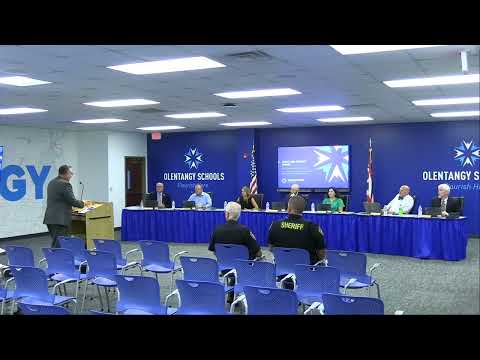
The Olentangy Local School District presented a first reading of replacement policies on student safety and personal communication devices on Aug. 5 that implement House Bill 96, the state budget provision that restricts student use of two‑way communication devices during the instructional day.
Doctor Feddy told the board the replacement PCD policy prohibits students from using cell phones or any device with two‑way communication capabilities for calling or texting during the school day unless a teacher or administrator authorizes use for instructional purposes, the use is specifically included in an IEP or Section 504 plan, there is documentation of medical necessity from a provider, or an active emergency is underway. He said enforcement will be through the student code of conduct and progressive discipline, starting with verbal warnings and reminders.
The policy preserves the district’s existing practice that parents should contact schools via the main office for urgent matters and said the district will use ParentSquare to communicate urgent messages such as delayed buses or activity cancellations. Doctor Feddy and board members discussed practical exceptions (for example, staff‑authorized brief contact to notify a family about an athletic change) and emphasized principals will work to apply the policy consistently across buildings.
Doctor Feddy said the policy committee intends to return for a second reading and formal adoption later in the month but that implementation will begin at the start of the school year to avoid mid‑year disruption. Several board members urged clear communications to families about allowable exceptions and consistent enforcement at each building.