Get Full Government Meeting Transcripts, Videos, & Alerts Forever!
Get email alerts on the Taxes Sales topic
No spam. Unsubscribe anytime.
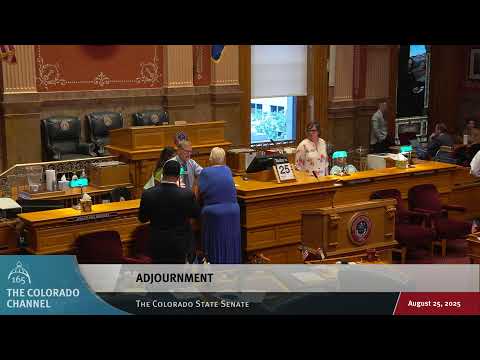
Senate passes bill to eliminate Colorado retail vendor fee after heated debate
Summary
The Colorado Senate voted 18–17 on Aug. 25, 2025, to eliminate the 4% vendor (service) fee retailers and restaurants keep when collecting state sales tax. Supporters said the change removes an outdated subsidy and preserves state revenue after federal tax changes; opponents said it punishes small businesses and should go to voters or be paired with spending cuts.
Senators on Monday approved House Bill 25B‑1005, which ends Colorado’s longstanding allowance that lets many retailers and restaurants retain a roughly 4% “vendor” or service fee for collecting state sales tax. The measure passed on third reading by a vote of 18 yeas to 17 nays.
Sponsor Senator Kipp, who moved the bill, said the change is necessary after federal tax changes and a resulting hit to the state budget. “This bill will eliminate what we some people call the vendor fee,” Kipp said, arguing that the fee functions as a subsidy to businesses and that every dollar retained during the special session reduces the need for painful cuts to schools and safety‑net programs.
Opponents, including Senator Frizzell, said the fee compensates small businesses for the costs of collecting taxes and that removing it will impose new burdens on retailers and restaurants. “The service fee that businesses are currently able to collect…is not a subsidy. They’re getting paid for doing a job on behalf of the state of Colorado,” Frizzell said during floor debate.
Lawmakers debated whether the special session — called by the governor to close a projected shortfall after federal law changes — should focus on spending cuts rather than raising revenue. Several senators urged slower, more deliberative approaches, including amendments the minority offered in committee that were not adopted.
The vote was close. The clerk recorded named no votes during the tally; with 18 ayes and 17 noes, the motion carried and the bill was declared passed. Sponsors asked the clerk to add cosponsors and move the bill forward for enrollment.
What’s next: The bill will be enrolled and transmitted for the governor’s signature unless recalled; supporters said the measure is intended to help the state balance its budget following the federal tax change often referred to in debate as HR1.