Get Full Government Meeting Transcripts, Videos, & Alerts Forever!
Get email alerts on the Climate Policy topic
No spam. Unsubscribe anytime.
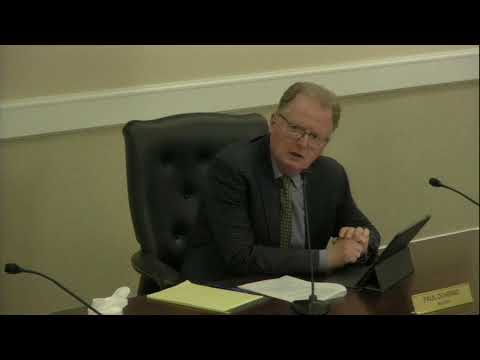
Regional climate plan draws praise and cost concerns from Saint Helena council and public
Summary
Consultants presented a draft regional Climate Action and Adaptation Plan (RCAP) covering mitigation and adaptation measures; councilmembers praised collaboration but residents and a public commenter urged stronger benefit‑cost analysis and more funding detail before mandatory measures are considered.
City officials and the public spent substantial time on a draft countywide Regional Climate Action and Adaptation Plan, hearing from consultant Eric DeCock about greenhouse gas inventories, 82 proposed measures and a two‑track focus on mitigation and adaptation.
DeCock told the council the plan would help jurisdictions align with state goals (carbon neutrality by 2045), that on‑road transportation accounts for roughly 40% of regional emissions, and that the plan contains quantifiable measures and an implementation road map that will rely on grants and other external funding. He stressed that forecasts assume some statewide commitments already in place and that full implementation will require phased financing.
In public comment, Chris Warner — speaking as a private resident and after reviewing the draft — said the plan lacks benefit‑cost evaluations for proposed mandatory ordinances and warned that compliance costs could be substantially higher than the draft estimates. Warner singled out proposed building electrification rules, saying the draft's per‑home retrofit estimate ($2,000–$3,500) is far below other industry reviews and could misstate homeowner costs. Staff and some councilmembers responded that the draft is meant to be illustrative and that committee and staff work will flesh out implementation and financing details before jurisdictions consider mandates.
Council members split on tone: Vice Mayor Deasy praised the plan's online tools and collaborative approach and urged flexibility and crediting local strengths; others emphasized affordability risks and asked for more specific funding analyses. The public comment period for the RCAP closes Sept. 30, and staff said a final regional plan is anticipated for consideration next spring after further comment and sequencing analysis.