Get Full Government Meeting Transcripts, Videos, & Alerts Forever!
Get email alerts on the Utilities topic
No spam. Unsubscribe anytime.
Lewiston council adopts consolidated fee schedule, trims proposed water increase to 5%
Summary
After a lengthy public hearing, the Lewiston City Council adopted a consolidated FY2026 fee schedule that freezes the smallest meter charge and cuts a proposed 10% water consumption increase to 5%; councilors and residents pressed staff on bond spending, a long‑running water intake project, and the city’s $50M estimated water capital needs.
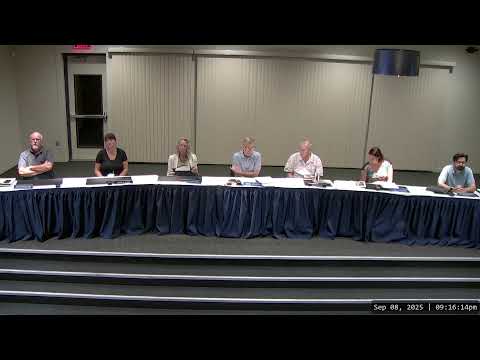
The Lewiston City Council on a 6‑to‑1 vote adopted a consolidated fee resolution for fiscal year 2026 that combines 11 prior fee schedules and changes multiple utility and service charges, after a public hearing that centered on water rates and service costs.
Dustin Johnson, public works director, told the council the consolidated package was intended to “provide consistency across all the departments” and to reflect necessary adjustments driven by operating costs, debt service and capital needs. He said the city faces a multi‑year backlog of work and capital projects tied to the water treatment system and intake, and that the proposed package as presented in June included a larger consumption increase that the council later amended.
Councilor Klein successfully moved to reduce the originally proposed 10% increase in the water consumption charge to 5% (the council recorded the amendment and adopted the resolution as amended). The adopted package also freezes the base/meters fee for the smallest meters (Johnson noted the smallest meter fee would remain at $39 per month), an attempt to protect low‑consumption and fixed‑income households while shifting more of the near‑term burden to large irrigators and industrial users.
Public testimony was extensive. Residents questioned the history of meter fees and bond proceeds, with one resident asking, “Where did that money go that was supposed to be set aside to replace that water treatment plant?” Bob Blakey, a former council member, said a past utility study recommended steady increases and warned that fee revenue intended for bond repayment appeared to be used more broadly. Johnson and Amy Gordon, city treasurer, responded with revenue and capital accounting details: operating revenue is roughly $6–9 million annually and current debt service for the water plant is about $2 million a year; staff identified roughly $50 million in capital needs tied to the system’s upgrades and intake work.
On the water intake project specifically, Johnson said the city is using a temporary intake installed in the 1970s and that the permanent intake now under construction still faces an equipment shortfall of roughly $8–12 million. He said the mayor and staff are pursuing Army Corps, state and federal funding and that rate increases alone will not cover the total capital need.
In other fee categories, staff reported modest or no changes: no new ambulance/EMS fees were proposed; some cemetery and golf course line items increased by more than 5%; the city added a nonresident public‑records fee after state law changes; and certain sanitation and private fire line charges changed mostly to reflect pass‑through lab or contractor costs.
The council’s action: adoption of Resolution 2025‑39 (restating and adopting the FY2026 consolidated fee schedule) with amendments. The resolution had several line‑item amendments during the meeting, including the water consumption amendment reducing the increase to 5%. The council also voted to leave several wastewater and utility assistance rates unchanged.
What happens next: the adopted rates take effect for FY2026 and staff will continue to pursue grants and phased capital work. Johnson said the city will produce a water master plan next year to refine cost estimates and prioritize projects.
Votes and related actions at the meeting included adoption of personnel policy changes (Resolution 2025‑44) and other consent items; see the council minutes for full roll call tallies and line‑by‑line fee tables.
Ending: Council concluded the hearing and moved the consolidated fee schedule into final adoption after amendment and public comment.