Get Full Government Meeting Transcripts, Videos, & Alerts Forever!
Get email alerts on the Consolidated Plan topic
No spam. Unsubscribe anytime.
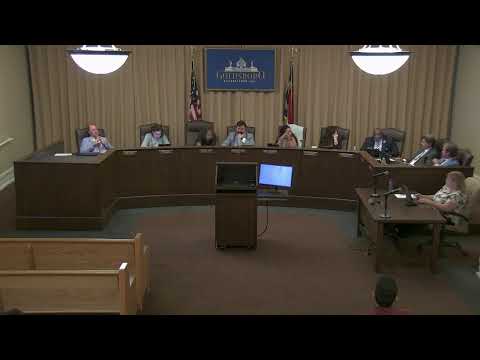
Goldsboro Council approves HUD consolidated plan after questions about relocation help for rehabbed homes
Summary
After a detailed presentation from Chrysalis Consultants, Goldsboro City Council voted unanimously to adopt the HUD Consolidated Plan and the city’s annual action plan, while asking staff to draft a relocation-assistance policy for homeowners who must move during eligible rehab projects.
Goldsboro City Council voted 7–0 on Aug. 4 to adopt its HUD Consolidated Plan and the accompanying annual action plan, a package that lays out how the city intends to spend federal CDBG and HOME funds on housing rehabilitation, down-payment assistance, public infrastructure and neighborhood stabilization.
Jason Wright, a consultant from Chrysalis Consultants, told the council the plan tracks HUD guidance and explained how data limitations shape the analysis: “the datasets that we have don't exceed past 2020,” he said, noting HUD caps the data set at 2020 and that the plan therefore uses those figures to determine eligible target areas and allocations. Wright outlined allocations for this program year, including a housing-rehabilitation line and funding set aside for down-payment assistance and neighborhood stabilization.
The plan’s purpose, Wright said, is to concentrate federal investment where it benefits low- and moderate-income residents, explaining that HUD typically expects projects to prioritize census tracts in which a majority of residents fall below the poverty threshold.
Crystal (city staff), who presented alongside the consultant, told council there is “a massive wait list” for rehabilitation funds but explained the city did not adopt a formal relocation-assistance policy because those costs would reduce the number of households the program can help. “We don't adopt a relocation policy only because it's such a massive amount of money,” she said, adding that staff aim to maximize the number of families assisted.
Council members pressed staff on practical impacts. One councilor asked whether a modest relocation stipend—suggested informally as a ceiling tied to a percentage of rehab cost—could be offered so homeowners would not have to bear hotel or temporary housing expenses. Staff said HUD must be consulted on the design and that any relocation assistance would need clear ties to eligible housing activities to avoid audit risk; they committed to return with a proposed policy.
The council’s vote formally approves the consolidated plan and annual action plan and authorizes staff to submit the documents to HUD. Council also gave direction to return with a relocation-assistance policy or recommended language for council consideration that would balance HUD rules and local needs.
Next steps: staff will finalize the plan submission to HUD (the deadline was stated as before Aug. 15) and prepare a draft relocation policy for council review at a future meeting.