Get Full Government Meeting Transcripts, Videos, & Alerts Forever!
Get email alerts on the Labor And Calendar topic
No spam. Unsubscribe anytime.
Board approves teachers' contract and two‑year calendar after extended debate over lost student days and instructional hours
Summary
The board voted 7–2 to approve the Chambersburg Area Education Association contract and a two‑year school calendar (2026–27/2027–28). Debate centered on whether removing eight student days in favor of 15‑minute daily extensions and other schedule shifts yields net instructional gains (administration says +36 hours). Several board members opposed the measure citing concerns for early grades and student access.
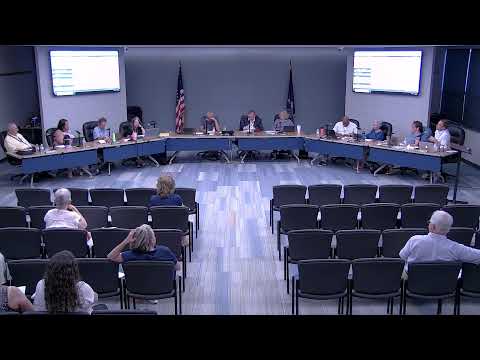
The Chambersburg Area School District board approved the Chambersburg Area Education Association collective bargaining agreement and a proposed two‑year academic calendar after extended public and board debate.
Administration said the contract resulted from a months‑long bargaining process and noted the CAEA had already ratified the agreement. Several board members thanked negotiators and teachers for their work. Opponents of an immediate vote said the contract is tied directly to the proposed 2026–27 calendar and that the board had not previously held sufficient public debate on the calendar itself.
The calendar discussion consumed a substantial portion of the meeting. Administration and staff explained the mechanics: the proposed schedule removes certain early‑dismissal and in‑service days and adds 15 minutes to the end of regular days; when measured as total classroom instructional time, the district said the new calendar would yield a net increase of about 36 instructional hours compared with the current traditional calendar. Supporters said the change reduces disruptions during the school year, increases regular classroom time, and creates concentrated professional development opportunities intended to improve teacher quality.
Opponents, including long‑serving board members and educators, argued that removing up to eight student days (compared with the calendar two years ago) risks harming early‑grade instruction and disproportionately affects vulnerable students, homeless students and those needing additional in‑person supports. One board member, citing district third‑grade reading performance and local demographic needs, said they could not support the calendar on those grounds.
The board voted by roll call: the collective bargaining agreement passed 7–2; the 2026–27 academic calendar likewise passed 7–2. Several board members noted the board retains authority to modify calendars in future years and could revisit interventions (such as using Fridays for intervention) if student outcomes suggest a need.