Get Full Government Meeting Transcripts, Videos, & Alerts Forever!
Get email alerts on the Public Space topic
No spam. Unsubscribe anytime.
Neighbors split over fate of paper street in Jenks; commission asks staff for memo and interim measures
Summary
Public comment at Jenks Planning Commission was sharply divided over whether to keep a platted paper street (Reserve F) as a public trail connector or to close/vacate it; commissioners did not vote but asked staff to prepare a memo and suggested interim measures such as fencing or bollards.
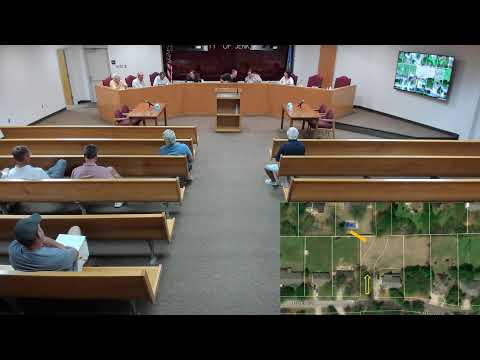
The Planning Commission heard extensive public testimony Aug. 7 about a small platted right-of-way (Reserve F) near 301 E. 119th St. South that residents and adjacent HOAs have used informally as a pedestrian/bike connector. The commission did not make a formal recommendation to vacate or sell the parcel but directed staff to prepare a memo for the city manager and council summarizing public comments and technical constraints.
What people said: Opponents of public access — including several homeowners who live immediately adjacent to the easement and Slate Creek HOA leaders — told the commission they have long maintained the area, reported repeated trespassing, late-night gatherings and damage, and urged closing or selling the parcel to adjacent owners. Darren Smith, the neighbor immediately east of the easement, said trespassing has included groups at night and damage to landscaping and personal property.
Supporters, including residents from nearby Wakefield Ponds, asked the city to formalize the corridor as a safe connector trail to the River Parks/Yorktown trail network, arguing that legitimate use and visibility increase safety and that trails often raise nearby property values. Matt Bowler, a Wakefield resident, said formal trails bring families and reduce illicit activity by increasing daytime use.
Staff and legal context: Staff planner Marce Hilton explained the corridor is a platted right-of-way with existing encroachment agreements and deeded reserve area (Reserve F) for Slate Creek; vacating or selling a right-of-way requires statutory notice and a district-court process (staff cited statutes including 42-10 and related code sections). Hilton also noted the city cannot create or leave a lot of record without legal access, and any vacation could trigger complex access and easement adjustments.
Interim solutions and next steps: Commissioners discussed practical options — fencing the northern edge, installing bollards to allow pedestrians but bar bikes/cars, or pursuing a paved, lighted trail with city maintenance — and surfaced concerns that the city currently does not maintain the easement. The commission decided not to take immediate action to vacate or sell the land but asked staff to prepare a formal memo summarizing options, public input, legal implications and maintenance responsibilities for the city manager and council to consider.
No vote was taken. The commission emphasized that any permanent change (sale or vacation) will follow the statutory process, including notifying property owners within 300 feet and potential district court involvement.