Get Full Government Meeting Transcripts, Videos, & Alerts Forever!
Get email alerts on the Code Enforcement topic
No spam. Unsubscribe anytime.
Council presses staff on demolition, liens and lot‑clearing as demolition budget is reduced
Summary
Council members questioned cuts to demolition funding and pushed for more proactive code enforcement; staff said demolition funding was underused, noted legal limits tied to property ownership and liens, and described shifting some dollars into lot‑clearing contracts and beautification grants.
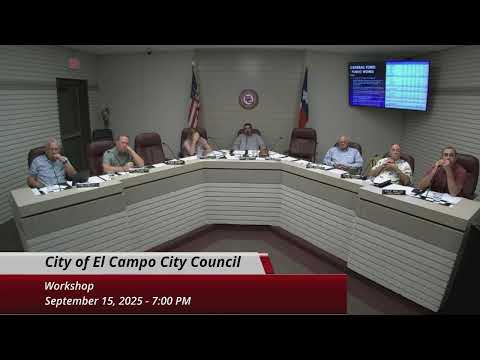
Council members used the Sept. 15 budget workshop to press staff over recent decisions to reduce the city’s demolition account and reallocate some funds toward lot clearing. Councilman Hancock and others urged a more proactive approach to clearing blighted properties and called for clearer tracking of which properties were in court or subject to liens.
Staff responded that Texas property‑rights rules and complex ownership chains often slow city action: many problematic properties have deceased owners or absentee heirs and require legal processes that can be expensive to litigate. A judge at the meeting said the court has assessed daily fines on property owners and that one property’s fines exceed $50,000, but staff said collecting that money or using it to fund demolitions can be legally complicated.
Staff provided demolition figures: in FY2024 there were 22 demolition cases (10 owner‑demolitions, 8 city‑demolitions) and the city spent about $23,237.75 on demolitions and roughly $35,815 on dumpsters. In FY2025 there were 25 cases (15 owner‑demolitions, 5 city‑demolitions); the city reported $6,009.50 in demolition expenditures and about $7,008.25 on dumpsters. Because much of the prior demolition funding was not used by owners, staff trimmed the demolition line and shifted resources toward lot‑clearing contracts with local vendors to address overgrown lots and smaller cleanup needs.
Council members asked for transparency on active cases and locations; staff said the judge’s quarterly reports list case information and that staff had distributed a list of the top fines and cases to council. Staff also described potential incentives — including negotiated lien waivers tied to redevelopment — that could help move long‑unpaid properties back into productive use, and said they were revising the unified development code to provide better tools for enforcement.
Council did not take formal action at the workshop but directed staff to continue work on code enforcement strategy and to provide clearer case status reporting to council.