
Parents and teacher assistants tell Bristol Warren committee RBT mandate places unfair burdens
Get AI-powered insights, summaries, and transcripts
Subscribe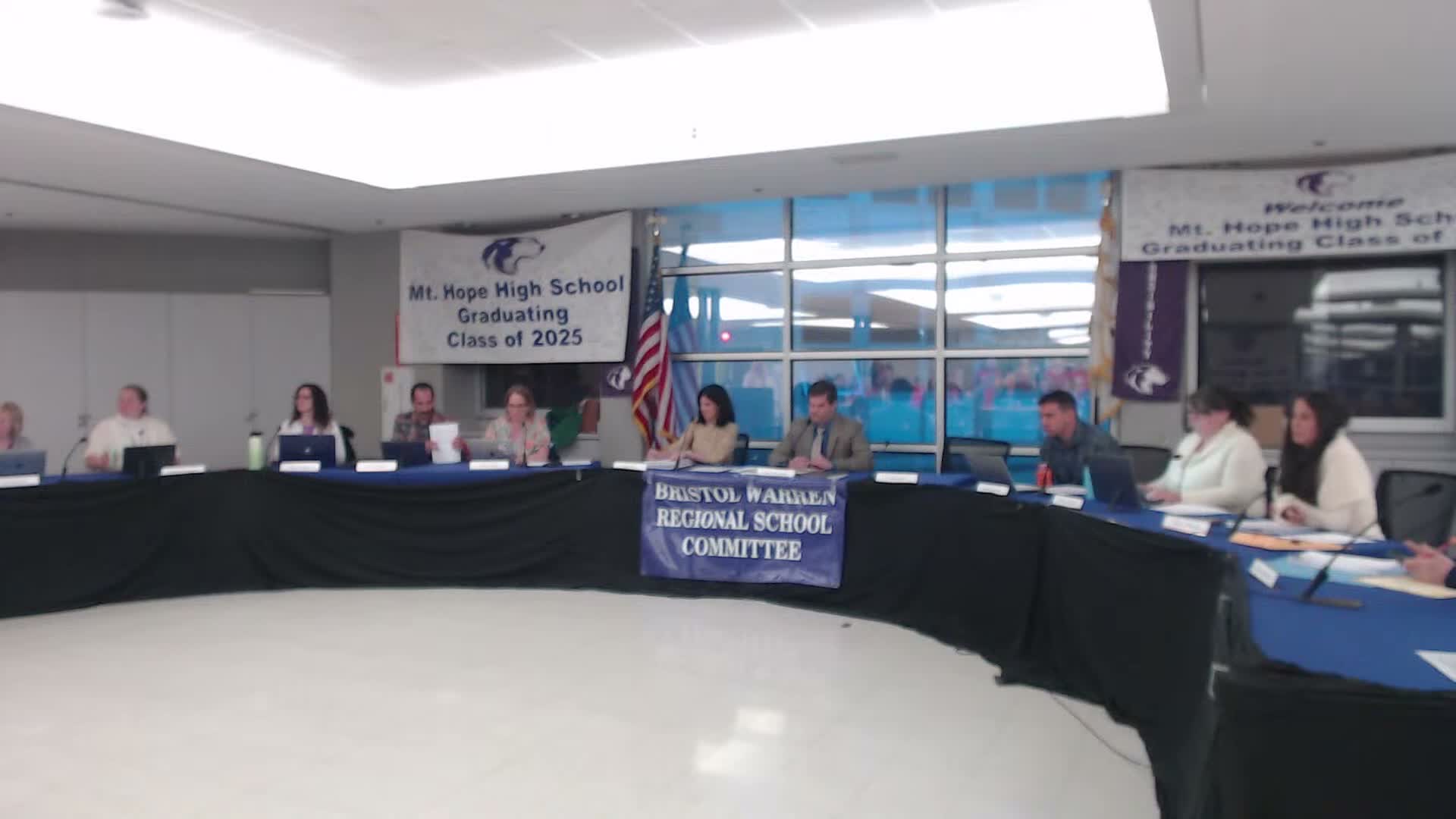
Summary
Several parents and longtime teacher assistants urged the Bristol Warren Regional School Committee to reconsider a proposal that would require many TAs to convert to Registered Behavior Technician roles, citing unpaid training hours, childcare costs and risks to student support.
Several parents and teacher assistants told the Bristol Warren Regional School Committee on April 21 that a proposed shift requiring many teacher assistants to become Registered Behavior Technicians (RBTs) would be unfair and could harm students.
"Right now, TAs are being told they must complete a 40 hour RBT training course on their own time," parent Jane Govanick said during public comment, noting many TAs work second or third jobs, do not get paid over school breaks and would face childcare costs to do training outside the school day. "If this training must be completed, it should either be built into the school day or employees should be paid for their time."
Corinne Saint Pierre, a teacher assistant at Ecole School for 23 years, said staff were told they could lose their jobs or benefits if they did not accept the contract as written. "We want to be treated fairly and have a humane discussion about what's happening," she said, adding that children who rely on long‑standing TA relationships would be harmed if experienced aides were forced out.
Another TA, identified by the last name Rezendes, said the staff have been "threatened and bullied" and asked whether the district is bargaining in good faith while negotiations are ongoing.
Speakers raised several specific requests: that any required RBT training be scheduled within paid work hours or compensated; that the district explain and share the data supporting a conversion to RBT roles; and that long‑tenured staff be afforded choices or extended transition windows. Govanick estimated the change would affect "over 50 staff members, many of whom live in our community."
District officials did not take a vote on the staffing change during the meeting. The public comment segment concluded with committee members acknowledging the concerns and indicating that staff and union representatives will continue discussions. The committee did not adopt new language at the April 21 meeting; speakers asked the committee to provide the data justifying the policy before any final decision.
Next steps: the committee will proceed with negotiated sessions and administrative follow‑up; the speakers asked the school committee to ensure training timelines, compensation and alternative role options are addressed before the proposal advances.