Get Full Government Meeting Transcripts, Videos, & Alerts Forever!
Get email alerts on the Athletics Policy topic
No spam. Unsubscribe anytime.
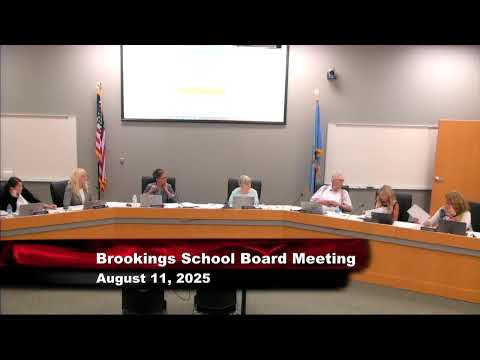
Board reviews spectator-ejection policy; administration to refine spectator enforcement language
Summary
The board heard a first reading of a High School Activities Association ejection policy. Mr. Dvorak said existing codes cover athletes and coaches, but spectators lack clear rules; trustees asked the policy committee and legal review to refine enforcement, especially for away or violent incidents.
The Brookings School District Board heard a first reading on a student/coach/spectator-ejection policy presented by Mr. Dvorak (activities/athletics representative). Dvorak said the proposed language originates with the South Dakota High School Activities Association and would formalize steps for ejections, noting that student athletes already sign a code of conduct and coaches are covered by existing procedures, but spectator conduct is not well governed.
Dvorak described the most significant gap as rules for spectators and their removal or future restrictions. He told trustees he supports a graduated approach but suggested the policy allow severity to determine penalties; he said, "If we have an assault ... I don't know if that's where we wanna go" with a single-game penalty, urging flexibility for more serious incidents. Trustees asked practical questions about who would effect ejections (game administrator, AD or district administrators) and how the policy would apply to out-of-town spectators at away contests. The board asked Dvorak to draft suggested language for the policy committee and requested legal review before final adoption.
Jess Drewy, a resident during public comment, asked whether athletic directors would have authority to involve law enforcement when incidents become egregious; board members acknowledged some high‑rivalry games do receive extra law-enforcement support but said contracted law-enforcement at events is not routine and may involve extra costs. The board did not adopt the spectator policy at this meeting; members instructed staff to refine the policy and bring it back through policy committee.