Get Full Government Meeting Transcripts, Videos, & Alerts Forever!
Get email alerts on the Redevelopment Condemnation topic
No spam. Unsubscribe anytime.
Bayonne council designates 734–756 Broadway as redevelopment area with condemnation power after heated debate
Summary
After extended debate over blight, liens and property-owner engagement, the Bayonne City Council voted to designate 734–756 Broadway as an area in need of redevelopment with condemnation powers; one council member opposed the move, citing concerns about eminent domain.
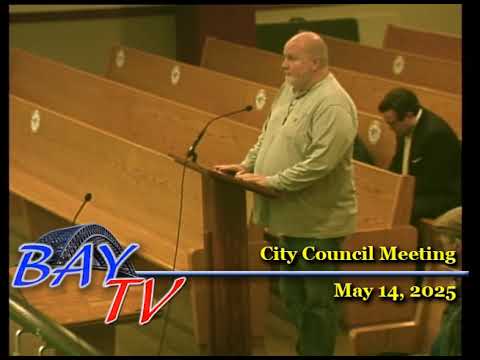
The Bayonne City Council on May 14 adopted a resolution designating 734–756 Broadway as an area in need of redevelopment with the potential to exercise condemnation powers, advancing the city’s long-running effort to address decades-long vacancy along the Broadway corridor.
Redevelopment counsel Jessica Almeida of McManamon Scotland & Bowman outlined the procedural steps that led to the action, saying the planning board had found the parcels eligible for redevelopment and that the designation is the next formal step before a redevelopment plan is drafted. Almeida said several statutory concerns were evaluated and that, if the designation moves forward, the planning board would draft a redevelopment plan followed by public hearings and developer designation.
Council members and staff described challenging title and lien issues on the properties. Staff said one parcel is subject to an Internal Revenue Service lien they described as roughly $18 million and that the city also has outstanding demolition liens of about $200,000. Those encumbrances, coupled with long-term vacancy, were cited by proponents as state statutory factors supporting a redevelopment designation.
Opponents warned that choosing a designation with condemnation powers signals an intent toward eminent domain and urged continued efforts to negotiate with owners. Council member Carroll said he has “consistently, since the condemnation, been against it,” and voted no, adding he was uncomfortable using eminent domain absent clearer public-health or safety grounds. The council president and other members said the city had exhausted prior attempts to prompt owner action and that the designation preserves options but does not itself trigger immediate condemnation.
Staff described protections built into later steps of the process: property owners will receive notice, the city must produce an appraisal and engage in bona-fide negotiations (typically a minimum two-week period) before condemnation can be pursued, and funds held for acquisitions are overseen by the court in any eventual judicial proceeding. Council members asked staff to continue outreach and to ensure owners are offered every opportunity to resolve liens or sell before any further steps.
The resolution passed by roll call vote with a majority in favor and at least one recorded dissent. The designation does not itself change zoning; the next steps will be a planning-board–drafted redevelopment plan, public hearings and (if adopted) negotiation of redevelopment agreements with any designated developer.
The council’s action follows previous city efforts to redevelop sections of Broadway and to clear long-standing blight; staff said the process that begins now could take many months and will include additional public hearings and notifications to affected property owners.