Auburn School Committee: Summer programs served about 315 students; district highlights credit recovery and MLL enrichment
Loading...
Summary
District staff told the Auburn School Committee that summer programming reached just over 315 students across K–12, provided credit recovery at the high school, and ran place-based MLL enrichment and life-skills programming at multiple elementary sites.
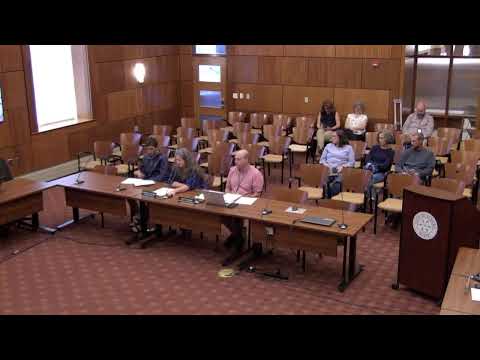
Mister Anier, the district staff member presenting the summer-program update, told the Auburn School Committee on Aug. 20 that every district building ran summer programs this year and the offerings served students across grades K–12.
"The buildings were busy this summer," Mister Anier said, outlining elementary and intermediate tutoring in literacy and math (60–90 minute sessions up to three times a week) at East Auburn, Fairview, Park Ave, Sherwood, Walton and Washburn. He reported that district programs supported "just over 315 students" across those sites.
At the secondary level, Edward Little High School operated a program focused on credit recovery. Anier said about 22 students recovered the equivalent of about 40 half-credits through summer work. When a committee member asked for clarification, staff explained that the high school awards credits by semester (a semester equals a half-credit) and multiple semester units can accumulate to a whole credit.
Anier also described specialized offerings: Sherwood Heights’ CLC rotated STEAM sessions (robotics, digital art, animation) and Fairview hosted a junior achievement program aligned with students’ IEP goals. The district ran a Cool School program focused on life skills and social-emotional learning; Auburn Middle School held a STEM-based "camp rise" for seventh and eighth graders; and Franklin’s intensive program combined academics and outdoor learning with nearly nine credits recovered.
Alice Crawford presented a place-based MLL (multilingual learner) enrichment program that served 12 students from July 8 to Aug. 7, meeting Tuesdays through Thursdays. Crawford said students engaged in field trips (including the Maine Wildlife Park and Bradbury Mountain), collected data and presented their findings to build language skills and confidence. "Helping them learn some skills to be leaders helps them to have a voice," Crawford said.
Stephanie Maris described Park Avenue’s summer program for primarily K–2 students, which served 27 youngsters and provided more than 900 service hours. Maris credited theme weeks, small-group instruction and immersive activities for gains in reading and writing skills and social development.
Mister Anier and other presenters emphasized strong attendance at elementary sites and close instructional support. The presentations concluded after committee questions about staffing levels (staffing varied by building, typically two to five adults, an estimated 20–30 adults districtwide across programs) and program outcomes.
Next steps: the committee received the summer-program report as presented; no formal action was required.