Get Full Government Meeting Transcripts, Videos, & Alerts Forever!
Get email alerts on the Tax Policy topic
No spam. Unsubscribe anytime.
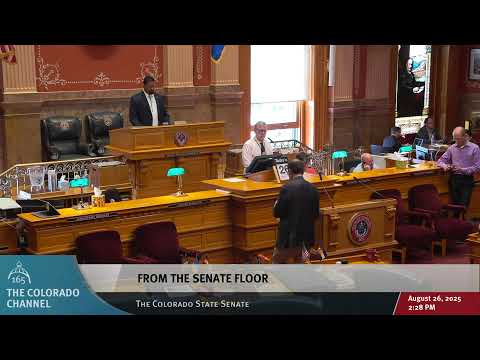
Senate approves sale of state tax credits to raise one‑time revenue, 22–12
Summary
The Colorado Senate passed House Bill 25B‑1004 on Aug. 25, 2025, authorizing the sale of up to $125 million in state tax credits at a discount to generate approximately $100 million for the general fund; supporters called it a short‑term bridge, while opponents warned of larger long‑term costs.
The Colorado Senate passed House Bill 25B‑1004 on Aug. 25, 2025, authorizing the state treasurer to sell future state tax credits and deposit proceeds into a tax credit sale proceeds cash fund and the general fund to address an immediate budget gap. The measure passed on third reading by a roll call recorded in the transcript (22 ayes, 12 no).
Supporters framed the bill as a temporary, controlled tool to bring revenue into the current fiscal year while the Legislature develops longer‑term fixes. Senator Marchman, the sponsor on the floor, said the measure was "just a bridge for this year," and described a structure with an 80¢ per dollar floor and limits on buyers and oversight: "The treasurer may sell the future state tax credits at more than 80¢ per dollar with proceeds to a new cash fund... Buyers are limited to insurers and C corps with reporting to DOI, DOR, and with state auditor access."
Opponents raised fiscal and program risks. Senator Kirk Meyer argued the sale ‘‘does not assist with the budget’’ in the long term and walked through the arithmetic, saying selling $125 million in face‑value credits at a discount would yield roughly $100 million now but effectively transfer $25 million of future cost to later years. Senator Frizzell warned of possible downstream consequences if the state closes budget gaps by cutting provider rates, saying children who depend on early‑intervention services could lose critical care if Medicaid provider payments are reduced.
The clerk announced the recorded no votes and the final tally before declaring the bill passed. The transcript lists several senators who voted no and records cosponsors who supported the bill. The bill’s proponents urged the body to pursue structural reforms to the tax code to reduce future volatility in state revenue rather than rely on repeated short‑term measures.
What happens next: House Bill 25B‑1004 was recorded as passed by the Senate and will be delivered to the governor for signature consistent with the session schedule noted in the record.