Get Full Government Meeting Transcripts, Videos, & Alerts Forever!
Get email alerts on the Capital Planning topic
No spam. Unsubscribe anytime.
Consultant outlines Star's capital improvement plan and recommended impact-fee methodology
Summary
Clearwater Financial presented a capital improvement plan and impact-fee study to help Star 'grow pay for growth,' reviewing methodology, outreach plans and data showing rapid population and household growth; staff expects draft ordinances and public hearings in October–November.
Christine Stoll of Clearwater Financial presented the city's capital improvement plan and impact-fee project update, explaining the study methodology, stakeholder engagement and a timetable for draft documents and ordinance readings.
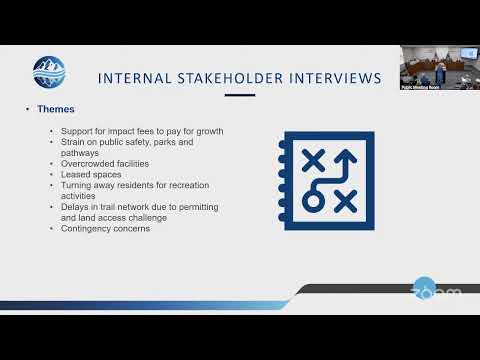
Stoll said the project team is wrapping the analysis and moving into the build phase; staff expects first drafts before the council in October and open-house outreach in early November. The impact-fee work covers police, parks and pathways; staff will determine what capital investments are growth-related and therefore eligible for impact-fee funding under state statute. Stoll emphasized public engagement, noting website postings, press releases, social media and open houses are planned.
Stoll summarized key demographic findings from the city's report: "you've had 80% growth from 2020 to 2024," vacancy rates have fallen from about 13.5% to 4%, median household income rose from about $63,000 in 2013 to $91,000 in 2023, and household counts increased from 1,841 to 4,682 since 2013. She said long-range population forecasts range from a low of about 71,000 to a high of about 110,000 by 2060, with a mid-range near 87,000 informing planning scenarios. The consultant said the impact-fee methodology will calculate current levels of service, asset condition, per-household investments and projected new infrastructure needs to serve future growth.
Council members asked for additional analysis — including whether growth has "fallen behind" the level-of-service funding and when that occurred — and Stoll agreed to return with more specific tracking of impact-fee balances and timing. The mayor noted the city has charged $2,050 per new residential unit for park impact fees historically and that impact fees cannot be used for personnel costs by state statute; Stoll reiterated impact fees are restricted to capital improvements that preserve current levels of service.