
Boerne commission reviews draft charter amendments including three‑year staggered terms and vacancy rule changes
Get AI-powered insights, summaries, and transcripts
Subscribe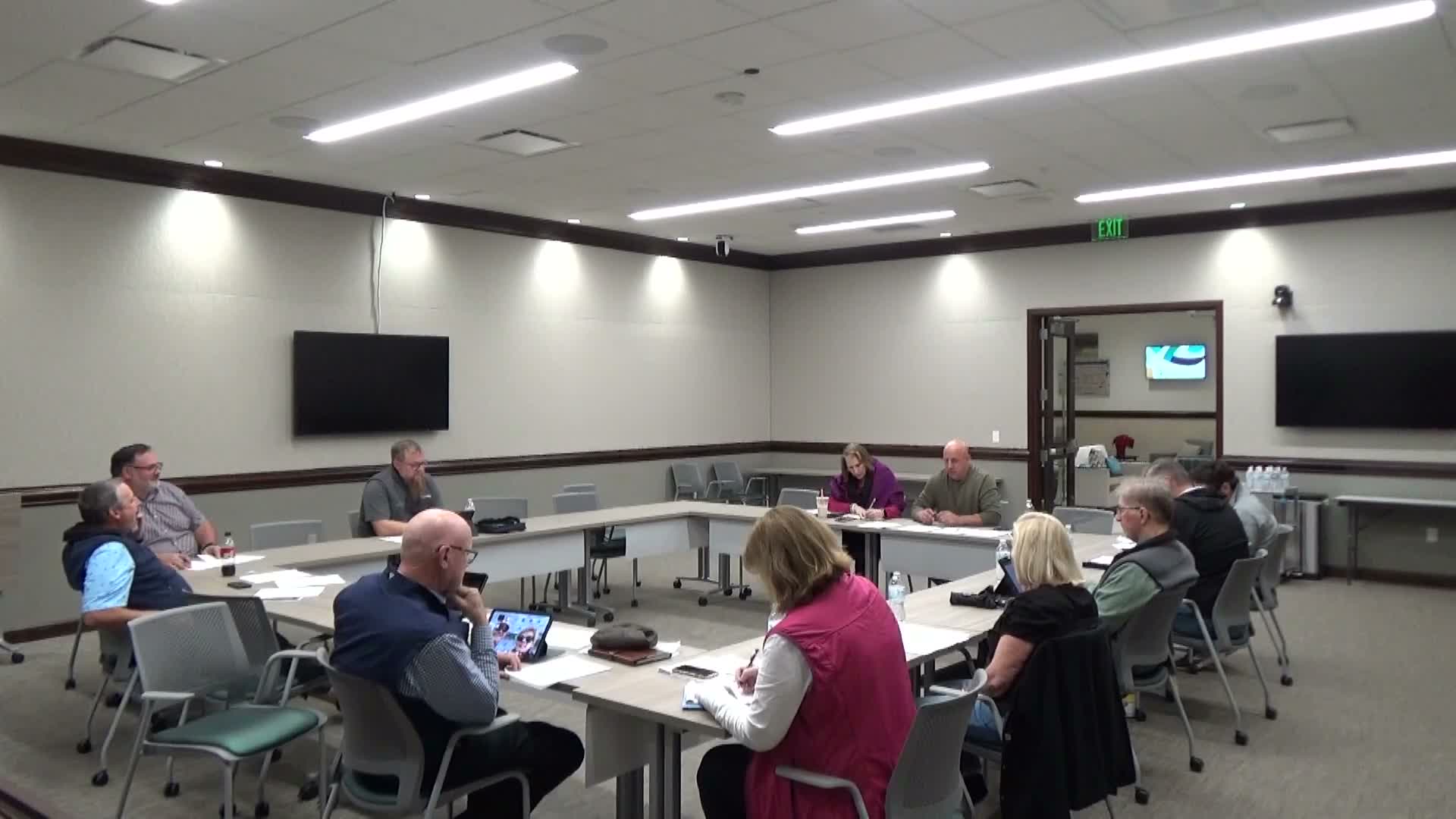
Summary
The Boerne Charter Review Commission reviewed draft amendments Dec. 3 that would extend council terms to three years with staggered seats, clarify vacancy procedures to align with the Texas Constitution, and revise planning-and-zoning language; staff will refine ballot language for a public hearing in January ahead of a February election order.
The Boerne Charter Review Commission on Dec. 3 reviewed draft home-rule charter amendments that would change city council terms from two years to three, stagger seats so only about one-third of members are elected each year, and revise vacancy and planning-and-zoning language. Staff said the proposed amendments would become effective at the May 2026 election if voters approve them.
Mick, the presenter, told commissioners: "Basically, this amendment would become effective at the election in May 2026," and said the draft leaves the exact transition plan to be implemented later by ordinance so voters see simpler ballot language. He added that ballot text is being kept concise because charter amendment measures "need to be direct and understandable" under election-code guidance.
The commission discussed several specific items. On section 3.02, members weighed a purpose clause to explain the measure to the public but agreed the purpose language itself would not appear on the ballot; it will be used in outreach and the commission's report to council. On section 3.04, Mick recommended removing archaic phrasing that references "any other elected officials," noting the language dates to earlier municipal offices such as elected marshals; commissioners asked staff to show the existing text with a strikethrough in public materials so voters can see the proposed edit. On section 3.08, Mick cautioned that filling vacancies may implicate state requirements and said ballot wording should reference compliance with the Texas Constitution and other applicable law rather than attempt to specify every contingency in the charter.
Commissioners also debated wording under the planning-and-zoning section so that the planning and zoning body is described accurately as reviewing and recommending plans and regulations to city council rather than adopting them unilaterally. Mick and other members agreed to consult the city's code provider (UDC) and consider small changes in headings or order to improve clarity for voters.
The commission agreed to require a minimum charter review at least once every 10 years, but to phrase the clause to permit earlier review by request. Staff will incorporate the commission's edits and circulate updated drafts for review. The commission scheduled reporting to the city council in January; staff cited a likely council meeting on Jan. 14 and noted Feb. 11 as a meeting date tied to the timeline for calling an election, with Feb. 14 identified as the last day to call a February election in the discussion.
The commission took one formal procedural action earlier in the evening: members moved to approve the minutes for the Charter Review Commission (2024 #19). The motion was seconded (the second was recorded as Quentin) and the motion passed with aye votes recorded in the transcript.
Next steps: staff will revise the draft ballot language and the commission plans a public hearing at the January meeting before the council calls the election in February if the council chooses to proceed. No charter amendment will take effect unless approved by voters.